

Search brands, products, articles...
Recommended
Recommended
Newest
Lowest Price
Highest Price
Best Sellers
Highest Rated
- Home
- /Skincare
- /Facial Masks
- /Exfoliating Masks and Peels
Exfoliating Masks and Peels
Shop Exfoliating Face Masks for Smoother Skin
Exfoliating face masks work by dissolving or physically removing the buildup of dead cells that make skin look dull and feel rough. Chemical exfoliants use acids like glycolic (AHA), salicylic (BHA), and lactic acid to break down the bonds between dead cells, allowing them to shed naturally. Physical exfoliants contain fine particles or enzymes that manually buff away surface debris. These treatments reveal the fresh, healthy skin underneath while stimulating cell turnover for ongoing improvement.Different exfoliation methods suit different skin concerns and sensitivities. Alpha hydroxy acids like glycolic and lactic acid work on the skin's surface, addressing uneven tone, fine lines, and dullness. Beta hydroxy acids like salicylic acid penetrate into pores, making them particularly effective for oily, congested, or acne-prone complexions. Enzyme masks containing papaya or pumpkin offer gentler exfoliation for sensitive skin that reacts to stronger acids. Clay and mud masks provide mild physical exfoliation while absorbing excess oil.
The Dermalogica MultiVitamin Power Recovery Masque combines soothers, antioxidants, and anti-ageing vitamins to reset skin damaged by environmental factors like pollution and sun exposure. The L'Oréal Paris Bright Reveal Dark Spot Exfoliant Peel uses a blend of AHA, BHA, PHA, and niacinamide in multi-sized acids that target skin at every level, helping brighten dark spots and even skin tone.
Why You Should Buy Exfoliating Face Peels Online at Adore Beauty
Face peels deliver more intensive exfoliation than daily cleansers or scrubs, using higher concentrations of active acids to resurface skin. These at-home treatments range from gentle weekly options to more potent formulas that require less frequent application. Understanding acid percentages and pH levels helps you select an appropriate strength for your skin type and experience level with chemical exfoliation.Building an effective exfoliation routine requires balancing treatment intensity with your skin's tolerance:
- Gentle enzyme peels with fruit acids suit sensitive or reactive complexions needing surface refinement
- Low-percentage AHA peels (5-10%) work well for beginners, addressing dullness and uneven texture
- Higher-strength chemical peels (10-30% AHAs) target stubborn pigmentation and visible ageing signs
- BHA treatments penetrate oily pores to clear congestion and reduce breakouts
- Combination formulas with multiple acids address several concerns simultaneously
Pair exfoliating treatments strategically with other facial masks throughout the week. Use charcoal masks on alternate days for pore cleansing without over-exfoliating. Follow acid treatments with hydrating masks or sheet masks to replenish moisture and calm any temporary sensitivity. Apply eye masks and lip masks simultaneously to treat delicate areas while your face peel works.
Premium Chemical Peels and Physical Exfoliants
Quality exfoliating face masks adapt to various skin types and concerns through careful formulation balance. Dry, mature skin benefits from lactic acid peels that exfoliate while providing humectant properties for added moisture. Oily, acne-prone complexions respond well to salicylic acid formulas that clear congested pores and reduce inflammation. Combination skin often requires multi-acid blends that address different zones simultaneously without causing imbalance.Application technique significantly affects results and comfort. Always apply exfoliating treatments to freshly cleansed, completely dry skin for accurate acid penetration. Start with shorter contact times when trying new products, gradually increasing as your skin builds tolerance. Watch for tingling sensations, which are normal, but remove the treatment immediately if you experience burning, stinging, or significant discomfort. Rinse thoroughly with cool water and follow with a calming, fragrance-free moisturiser.
Frequency depends on treatment strength and your skin's resilience. Gentle enzyme masks can be used two to three times weekly, while stronger acid peels typically work best once weekly or fortnightly. Never combine multiple exfoliating treatments in the same routine, as this increases irritation risk without improving results. After exfoliating, your skin becomes more receptive to other treatments. Apply overnight masks following evening peels to maximise ingredient absorption during your skin's natural repair cycle.
Sun protection becomes critical when using exfoliating treatments, as freshly revealed skin is more vulnerable to UV damage. It is recommended to apply SPF every morning, even on cloudy days or when staying indoors. Avoid scheduling intensive peels immediately before sun exposure or beach holidays. Some ingredients like retinol shouldn't be used alongside strong acids, so review your complete routine to prevent over-exfoliation or sensitivity issues.
FAQs
What do exfoliating face masks do for your skin?
Can exfoliating peels help fade dark spots and pigmentation?
How often should I use an exfoliating face mask safely?
Are exfoliating face peels suitable for sensitive skin?
Exfoliating Masks and Peels products




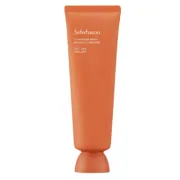
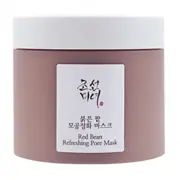




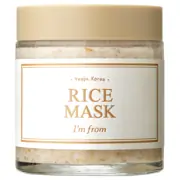
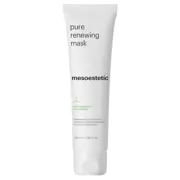
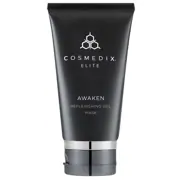
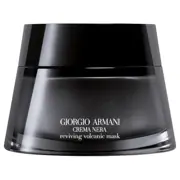


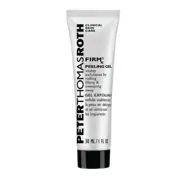
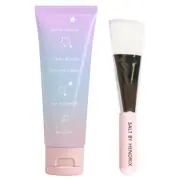
Showing 28 products of 28
Exfoliating Masks and Peels, Articles & Advice
Adore Beauty Wrapped: The Top Rated, Best Beauty Buys Of 2025
Everything Our Team Is Buying in Adore Beauty’s Huge Frenzy Sale

Treat Yourself: Best Skin And Strand Treatments To Level Up Your Beauty Routine
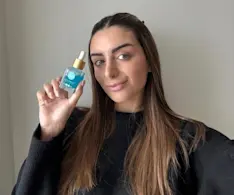
Best Skincare Routine Swaps For Winter Weather
Recent reviews on Exfoliating Masks and Peels products

BEAUTY OF JOSEON Ground Rice and Honey Glow Mask
$44.00A deeply hydrating cream that leaves skin soft and glowing.
I'm completely in love with how nourished my skin feels-5 stars without a doubt!

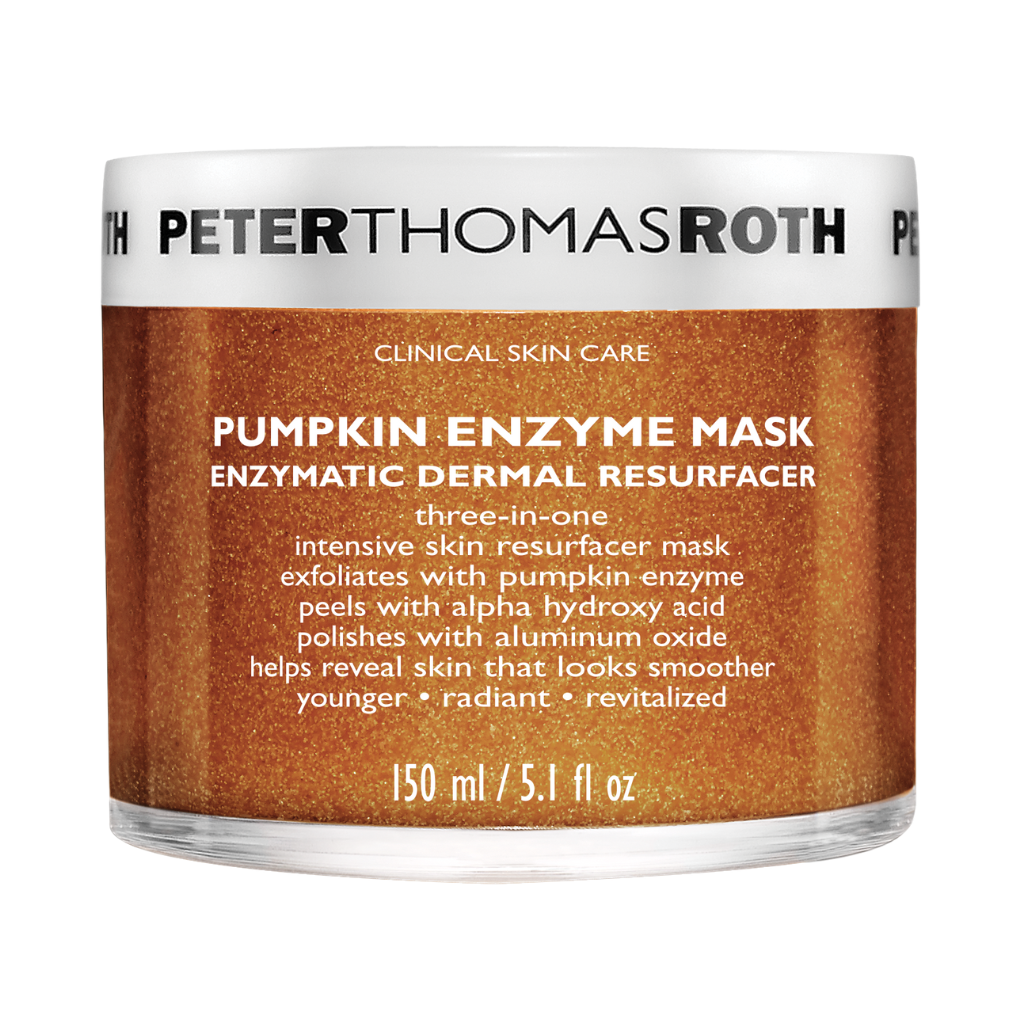
Peter Thomas Roth Pumpkin Enzyme Mask 150ml
$118.00Love
Leaves my skin incredibly smooth and bright. It has a warming sensation but the results are worth it.

BEAUTY OF JOSEON Red Bean Refreshing Pore Mask
$44.00Good
I use this once a week is good for exfoliating
Top Exfoliating Masks and Peels brands







Adore Beauty Acknowledges the Woiwurrung language group of the Eastern Kulin Nations as the Traditional Owners of the land our Customer Fulfillment Center and Head Office conduct our business operations on. We would like to extend that Acknowledgement and Respect to all First Nations People and Elders across Australia as our parcels travel across their land, air and water. We recognise First Nations Peoples continuous relationship and connection to Country and at Adore Beauty we commit to treading lightly on the land our parcels travel. We pay our respects to Elders past, present and future.
Customer Service
More From Adore Beauty


New Zealand

Australia
New Zealand