

Search brands, products, articles...
Recommended
Recommended
Newest
Lowest Price
Highest Price
Best Sellers
Highest Rated
- Home
- /Skincare
- /Serums & Treatments
- /Anti-Ageing Serums
Anti-Ageing Serums
Shop Anti-Ageing Serums for Firmer Skin
Anti-ageing serums work by delivering concentrated active ingredients that address the cellular processes behind visible ageing. Retinol accelerates cell turnover, pushing fresh cells to the surface while stimulating collagen production in deeper layers. This dual action smooths existing fine lines while preventing new ones from forming. Peptides signal your skin to produce more collagen and elastin, the structural proteins that maintain firmness and bounce. Antioxidants like vitamin C and E neutralise free radicals that break down collagen, preventing the oxidative damage that accelerates ageing.
Different anti-ageing serum formulations target specific concerns through varied ingredient combinations. Retinol-based treatments deliver the most proven results for fine lines, wrinkles, and loss of firmness, though they require gradual introduction to build tolerance. Peptide serums provide gentler alternatives suitable for sensitive skin that struggles with retinoids. Antioxidant-rich formulas like vitamin C serums prevent environmental damage while brightening and evening tone. Multi-functional options combine several actives for comprehensive anti-ageing benefits in one product.
The SkinCeuticals C E Ferulic Serum represents the gold standard in vitamin C anti-ageing treatments, delivering high-potency antioxidant protection against environmental aggressors while promoting youthful radiance. For comprehensive daily care, the BOOST LAB Multi-Peptide Anti-Ageing Serum combines multiple peptides with supporting ingredients that work both morning and night to reduce visible signs of ageing. These formulas pair well with hydrating and hyaluronic acid serums that plump skin and minimise the appearance of fine lines through moisture.
Finding The Best Anti-Aging Serums Online At Adore Beauty
Finding the best serum for anti-aging means matching active ingredients to your skin's current condition and tolerance level. Mature skin showing significant lines and loss of firmness benefits from retinol concentrations between 0.25% and 1%, combined with hydrating ingredients that prevent dryness. Earlier signs of ageing respond well to preventive formulas containing peptides, antioxidants, and vitamin B and niacinamide serums that maintain collagen while addressing texture and tone concerns.Quality best anti-aging serum formulas deliver measurable improvements through carefully selected ingredient combinations. Retinol remains the most clinically proven anti-ageing ingredient, with decades of research demonstrating its ability to reduce wrinkles and improve skin thickness. Peptides like Matrixyl and Argireline support collagen synthesis and relax facial muscles that contribute to expression lines. Growth factors stimulate cellular repair and regeneration. Antioxidants protect against continued damage while existing treatments work to reverse what's already occurred. These actives work alongside pigmentation serums that can help fade age spots and sun damage that contribute to aging skin.
Consider the anti-ageing benefits when building your treatment routine
- Fine line reduction through accelerated cell turnover that brings fresh, plump cells to the surface
- Wrinkle smoothing via increased collagen production that fills in deeper creases from within
- Firmness improvement as peptides signal fibroblasts to produce more structural proteins
- Texture refinement from gentle exfoliation that removes rough, aged surface cells
- Tone evening through reduced pigmentation and enhanced radiance from antioxidant protection
- Preventive action that slows future ageing by protecting against environmental damage
Pair anti-ageing treatments with other serums and treatments strategically throughout your routine. Use antioxidant serums in the morning for daytime protection, reserving retinol for evening application when UV sensitivity isn't a concern. After face peels, your skin becomes more receptive to anti-ageing ingredients that can penetrate freshly resurfaced tissue. For acne-prone mature skin, combine anti-ageing treatments with anti-acne serums or pimple patches and spot treatments that address breakouts without compromising anti-ageing goals.
Premium Serum Formulas for Every Complexion
The best anti-aging serum formulas adapt to different skin types through careful formulation balance. Dry, mature complexions benefit from richer treatments combining retinol or peptides with nourishing oils and ceramides that prevent the flaking or irritation sometimes associated with strong actives. Oily skin responds well to lightweight gel serums delivering anti-ageing benefits without adding surface oils. Sensitive skin requires gentler retinol alternatives like bakuchiol or low-percentage retinaldehyde that provide similar benefits with reduced irritation risk.Your application technique significantly affects how well your skin tolerates potent anti-ageing ingredients. Start with lower concentrations applied 2 to 3 times weekly, gradually increasing frequency as your skin builds tolerance. Apply a pea-sized amount to clean, dry skin in the evening, avoiding the delicate eye and lip areas unless your product specifically targets these zones. Wait 2 to 3 minutes after cleansing before applying retinol to prevent excessive penetration that can cause sensitivity. Follow with moisturiser after the serum absorbs to seal in treatment and prevent trans-epidermal water loss.
Layering anti-ageing treatments with other actives requires strategic timing to prevent over-treatment. Never combine retinol with face exfoliating treatments and peels on the same evening, as these compounds can cause irritation without improving results. Instead, alternate these treatments on different nights. You can layer retinol with hydrating serums and niacinamide, which actually helps buffer potential irritation. Morning routines should focus on antioxidant protection through vitamin C and broad-spectrum SPF, as retinol increases sun sensitivity.
How do anti-ageing serums work to reduce wrinkles?
Can anti-ageing serums cause breakouts in acne-prone skin?<
How should I incorporate anti-ageing serum into my skincare routine?
What side effects might occur when starting anti-ageing serums?
Anti-Ageing Serums products
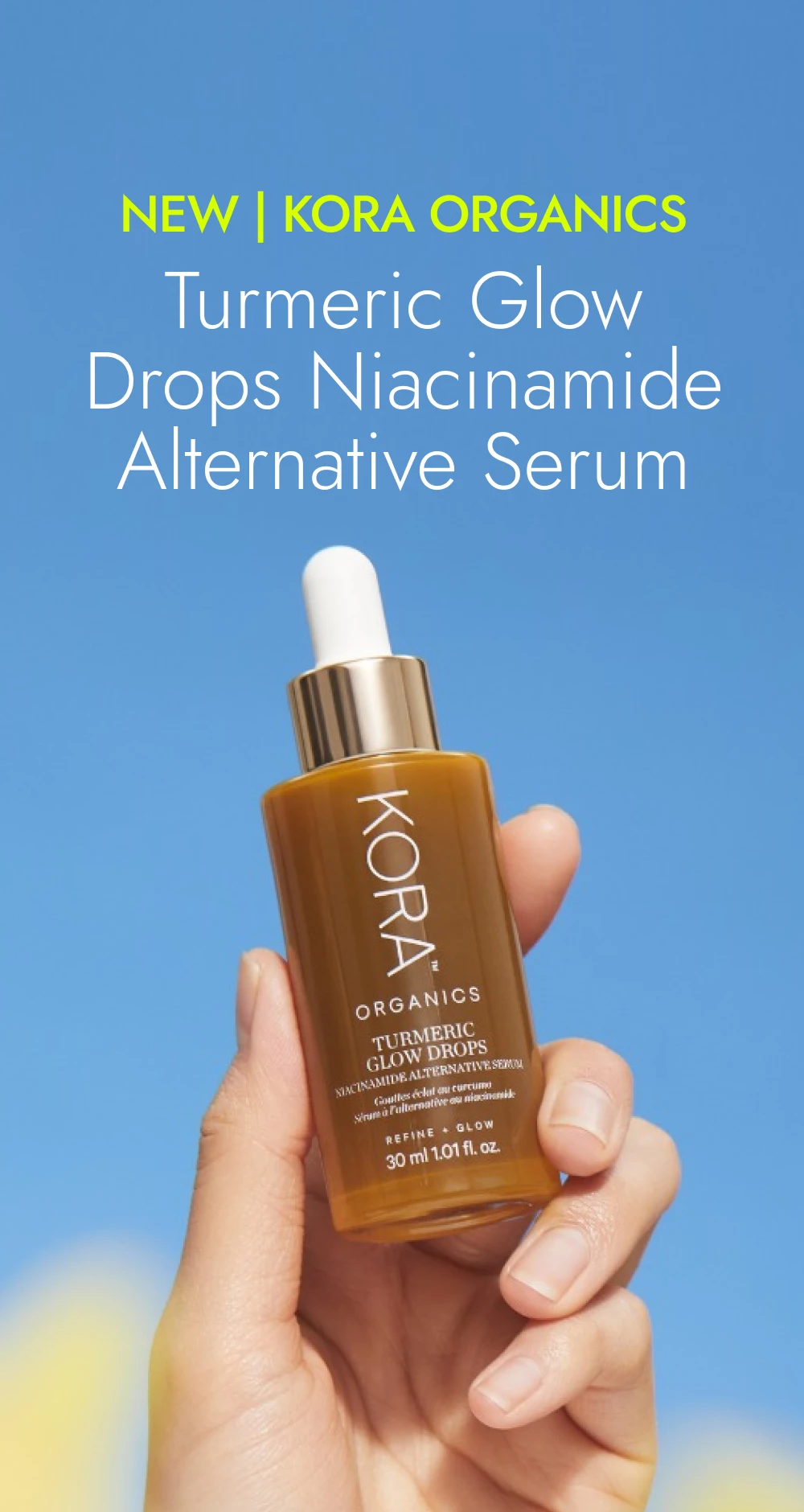


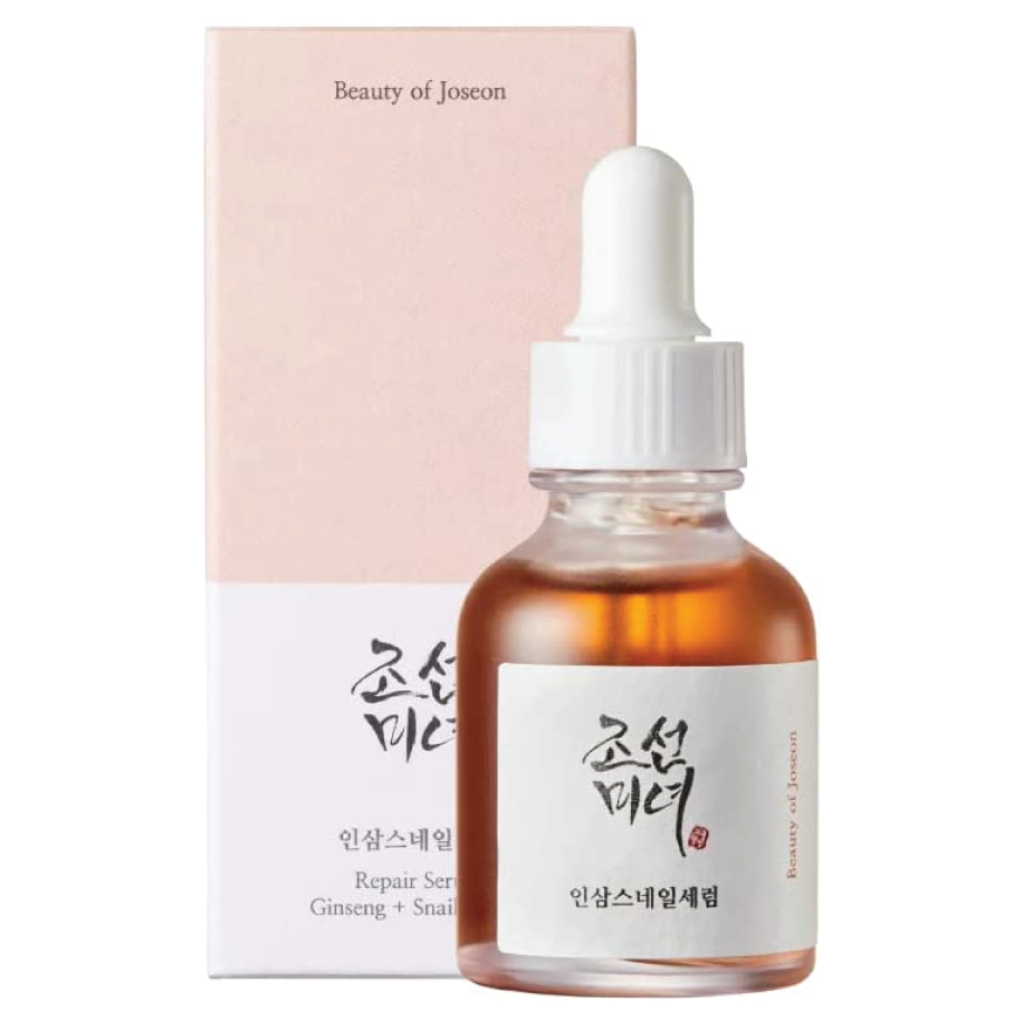

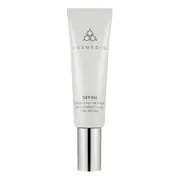
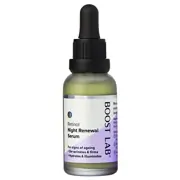
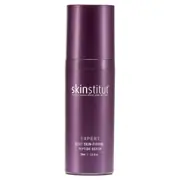
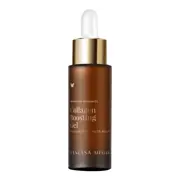
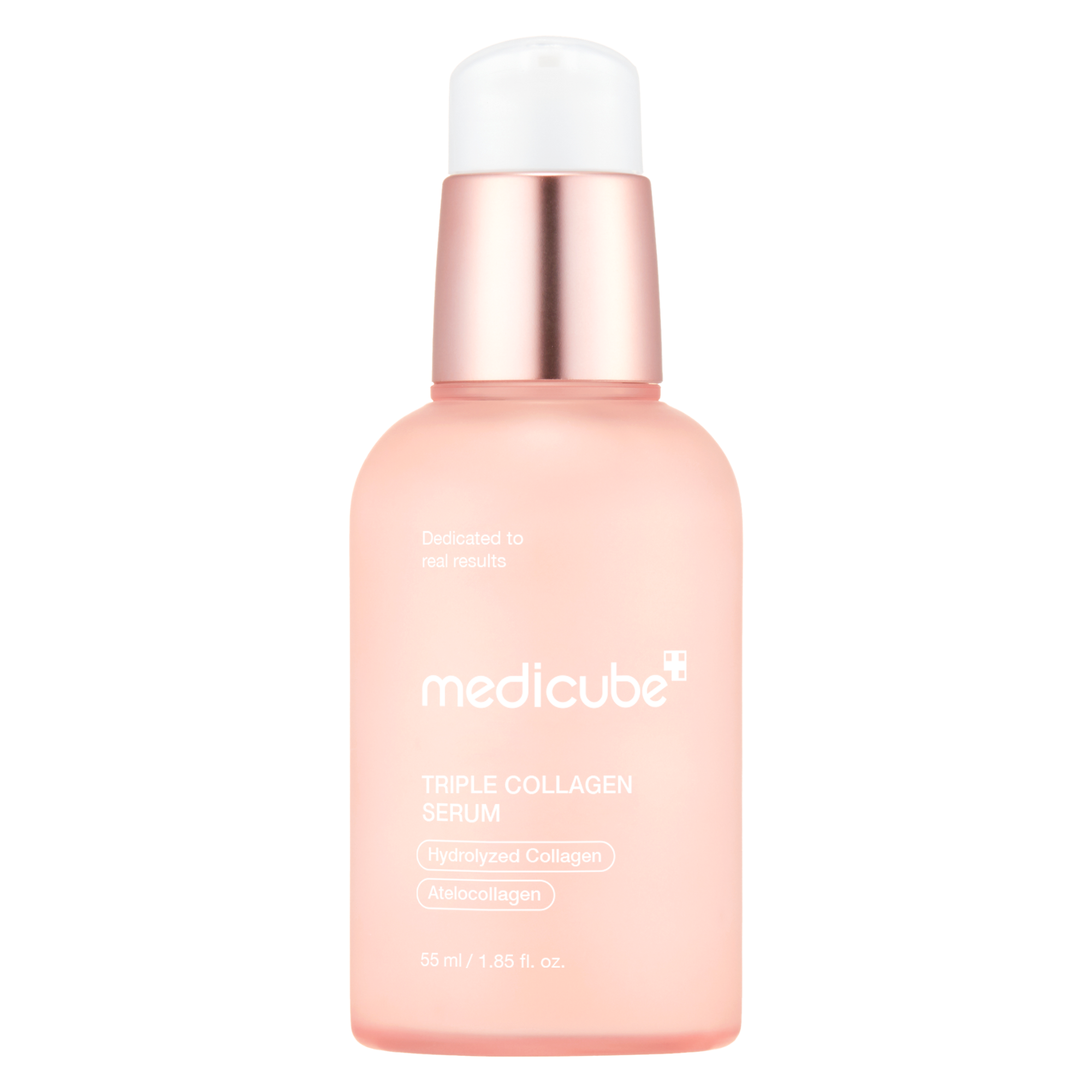



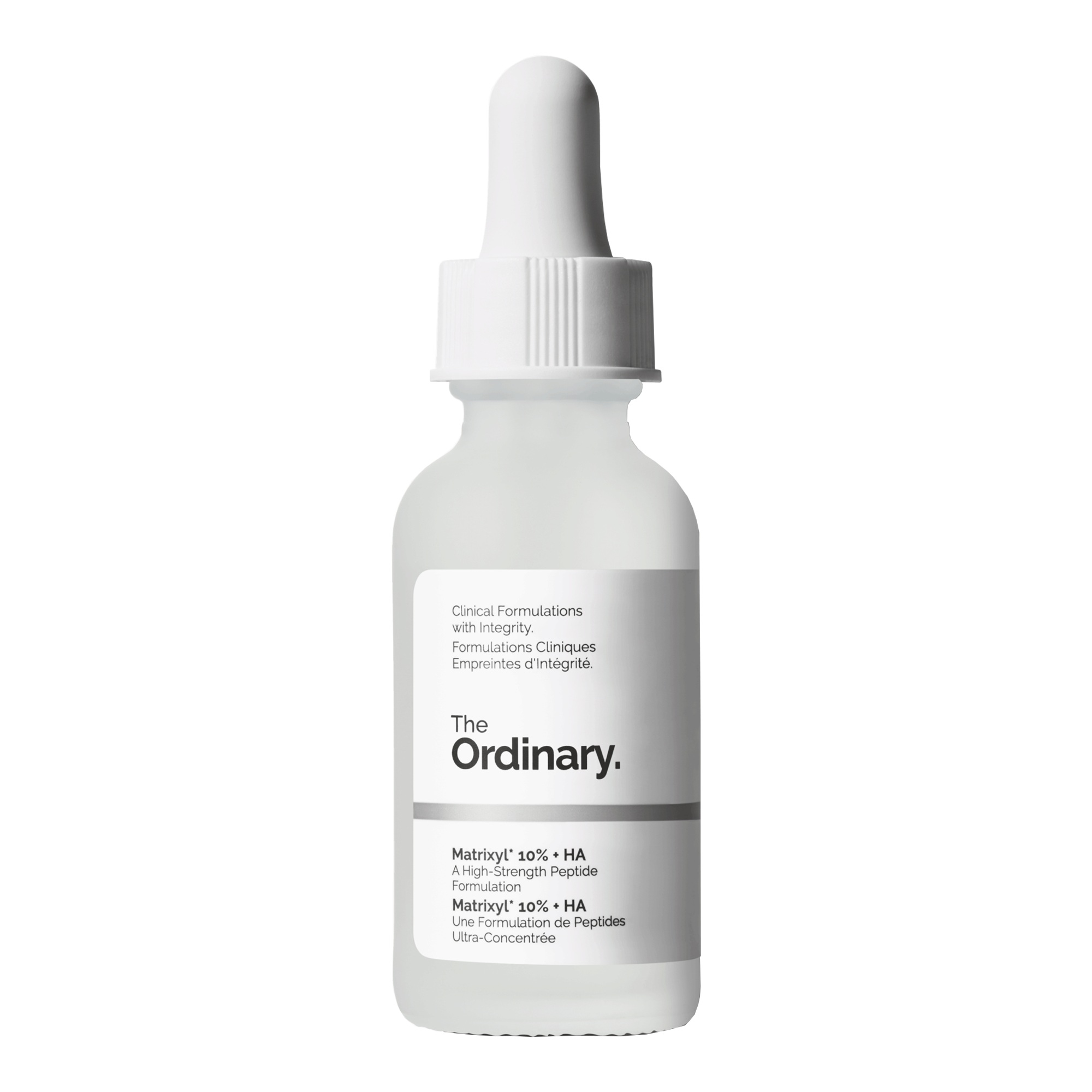



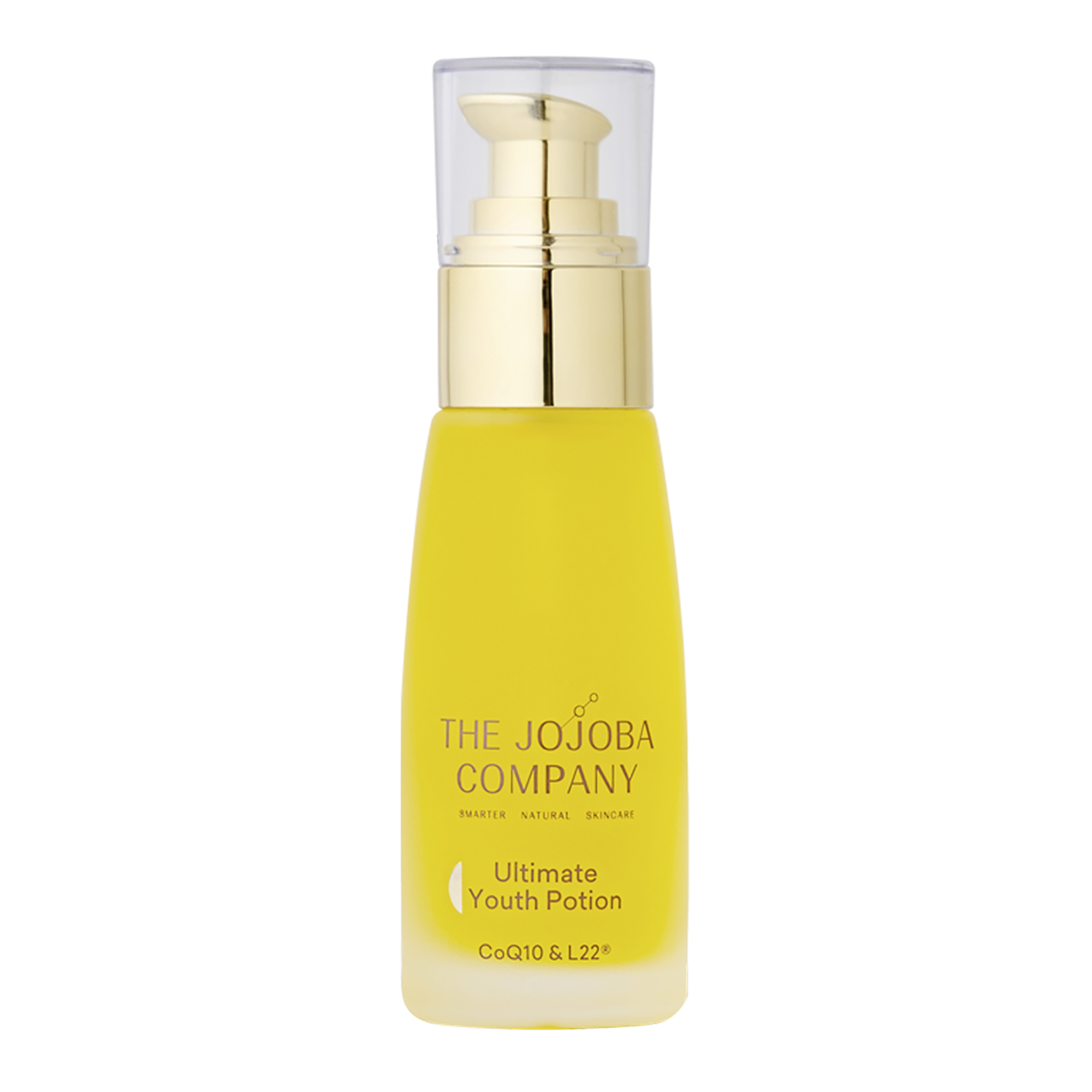
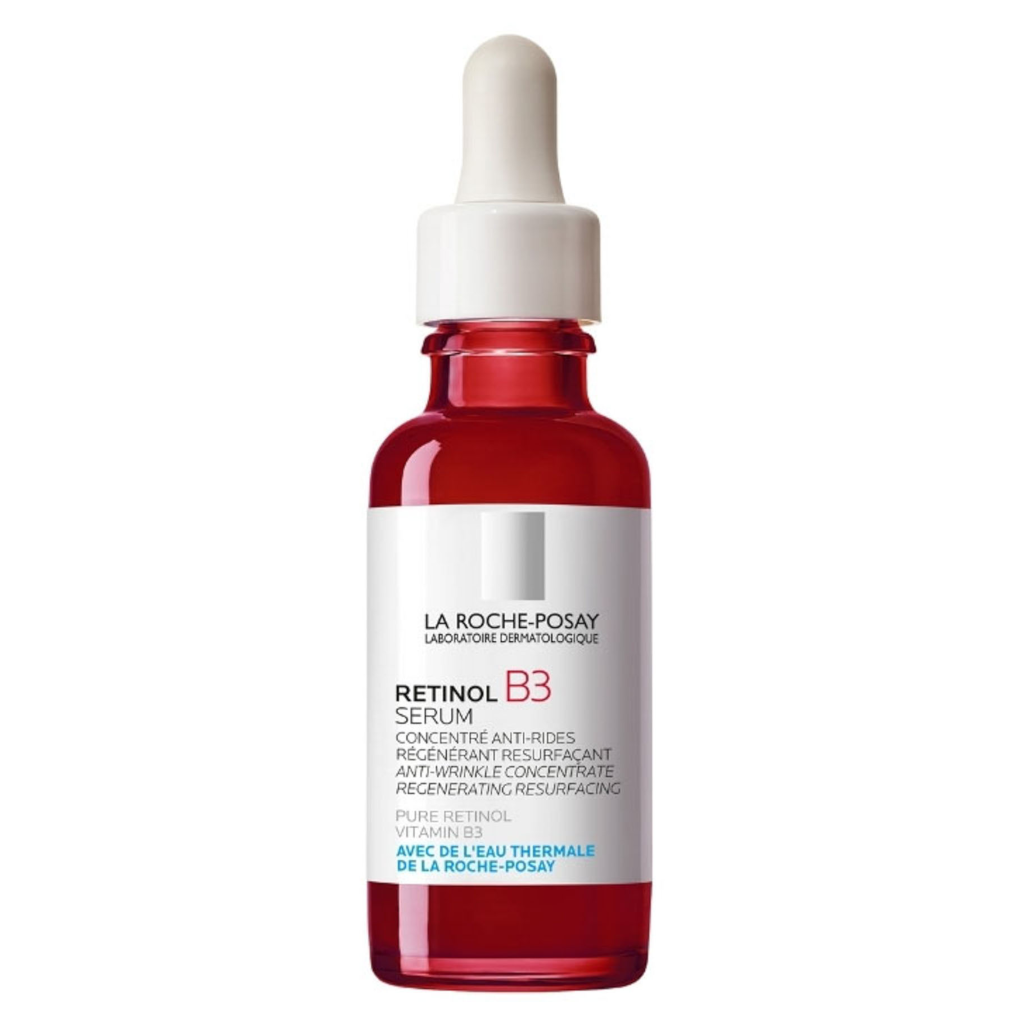
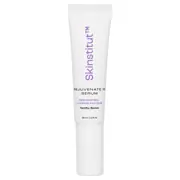


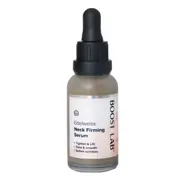


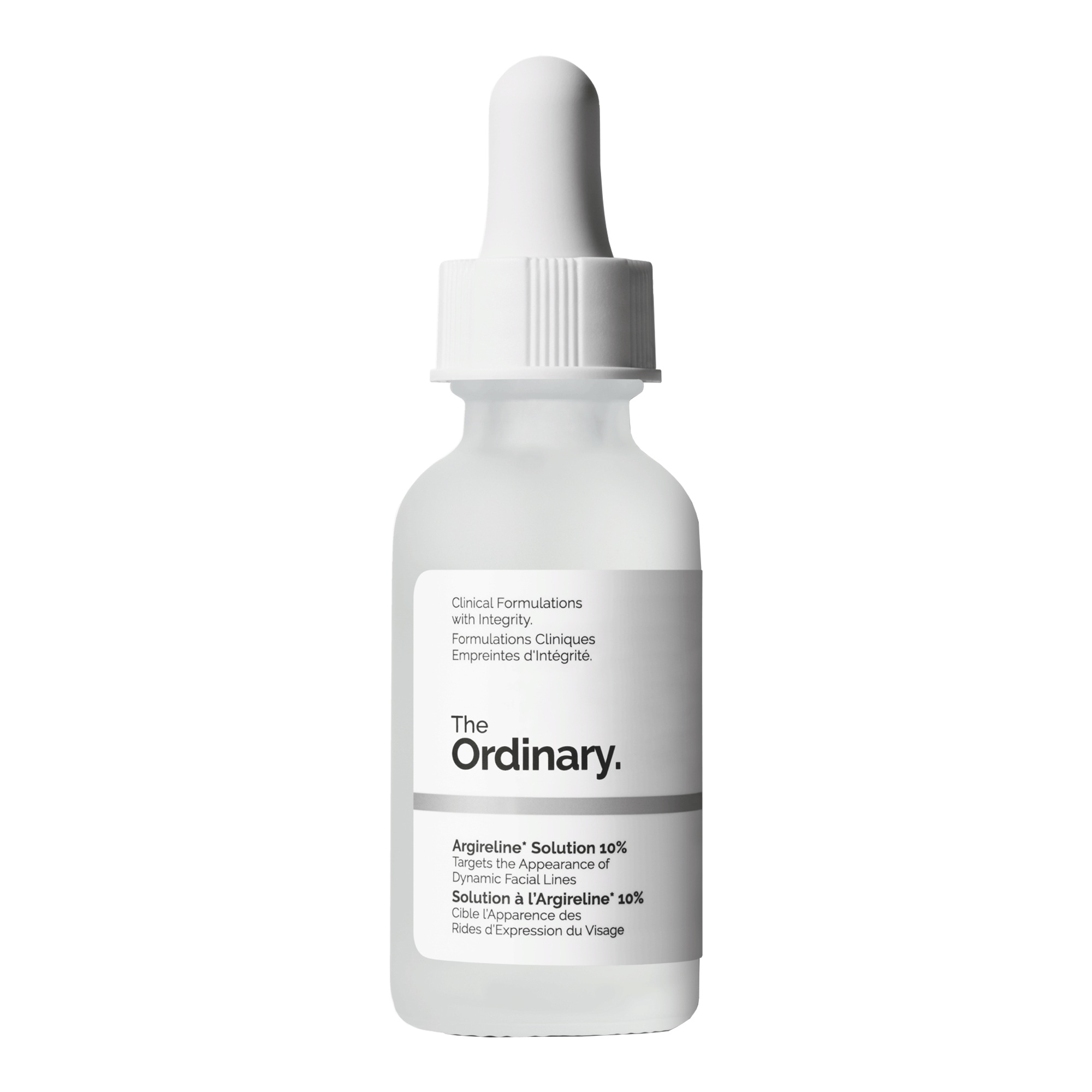


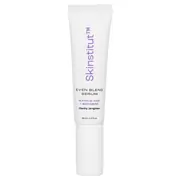




Showing 50 products of 183
Anti-Ageing Serums, Articles & Advice
Peptides: The Collagen Boosting Skincare Ingredient You Need to Know

Best Of The Afterpay Day Beauty Sale According To Two Beauty Editors
Bridal Skincare Prep: The Products That Got My Skin Wedding Day Ready (And Incredibly Glowy)
Beauty of Joseon Review: Here’s the 411 on This Affordable Viral K-Beauty Brand
Recent reviews on Anti-Ageing Serums products
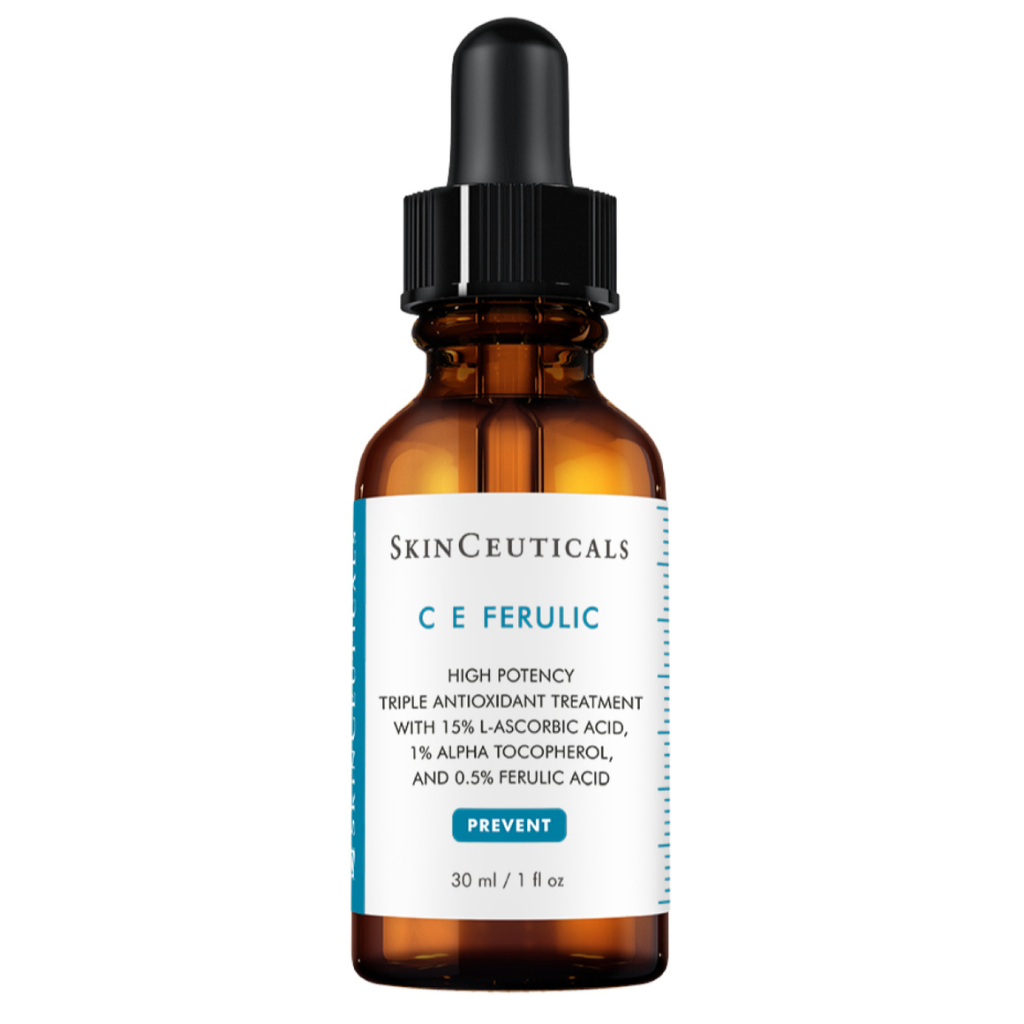
SkinCeuticals C E Ferulic Vitamin C Serum 30ml
$218.00The absolute GOAT!
The absolute GOAT! I've tried for years to find a cheaper alternative but nothing compares! This really is the gold standard for Vit C!
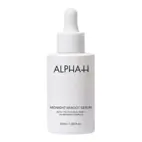
Alpha-H Midnight Reboot Serum with 14% Glycolic Acid + 1% Retinoid Complex 50ml
$154.95My can't live without face product
I started using this in my early 40s to refresh my dull and tired looking ageing skin. I noticed the affects on the very first night and I've used it every second night ever since. Now in my late 40s I get constant complements on my skin. My skin feels softer and looks brighter. A bottle lasts me a bit over a year so while its not a cheap product it does feel like reasonable value. My husband doesn't love the scent, but its ok for me. If I could only keep one skin product this would be it.

The Jojoba Company Ultimate Youth Potion
$59.95Ultimate youth portion
Hi there, I bought this after I started using the pigmentation oil. Pigmentation oil did wonders for my skin and felt glowing and light on my skin. Skin started to look fresher too. I've also started liking this one too as my face glows even when the weather is dry. So it's definitely working.
Top Anti-Ageing Serums brands







Adore Beauty Acknowledges the Woiwurrung language group of the Eastern Kulin Nations as the Traditional Owners of the land our Customer Fulfillment Center and Head Office conduct our business operations on. We would like to extend that Acknowledgement and Respect to all First Nations People and Elders across Australia as our parcels travel across their land, air and water. We recognise First Nations Peoples continuous relationship and connection to Country and at Adore Beauty we commit to treading lightly on the land our parcels travel. We pay our respects to Elders past, present and future.
Customer Service
More From Adore Beauty


New Zealand

Australia
New Zealand