

Collagen.
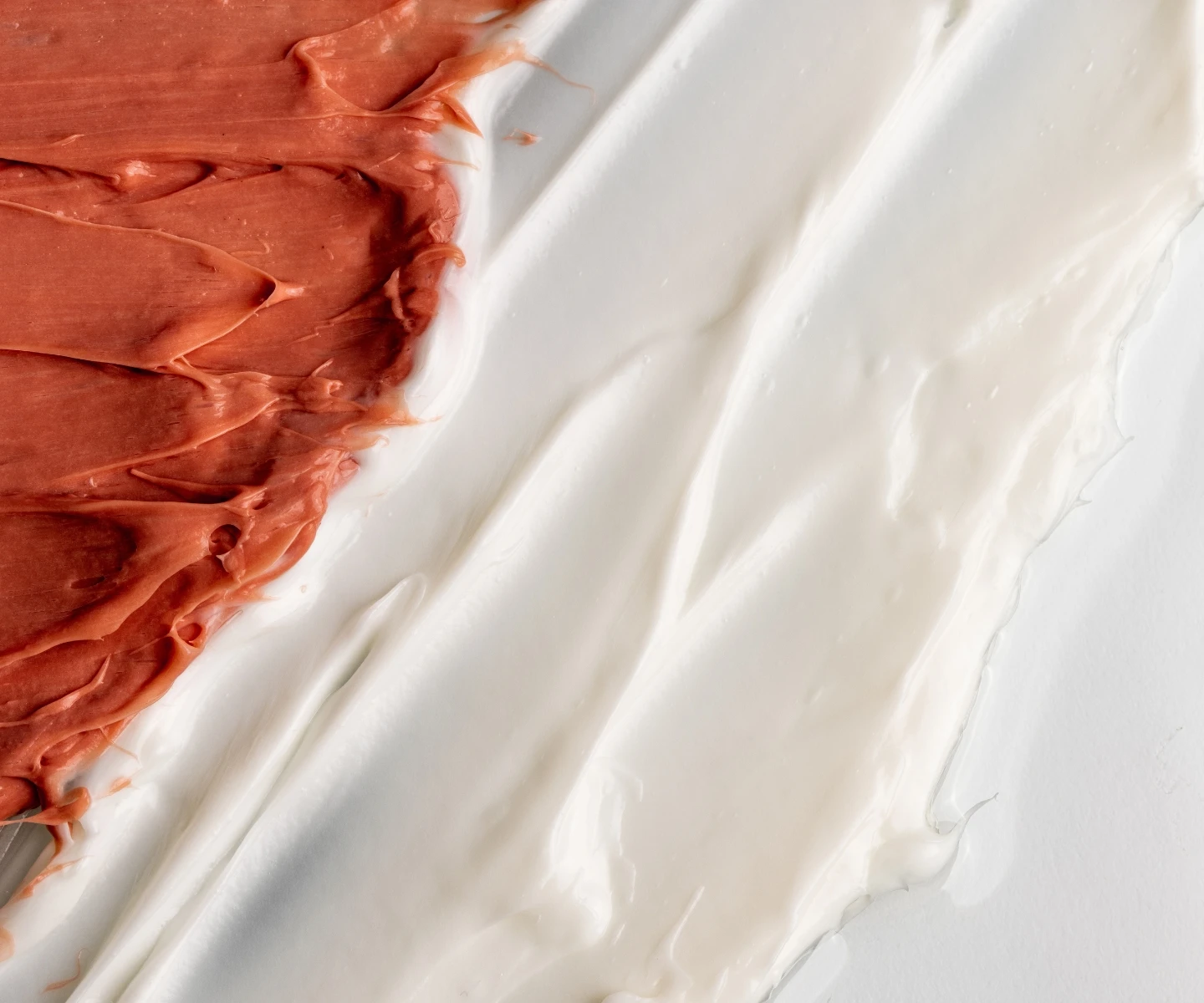
Collagen is a protein that is found in the skin, bones, and connective tissues that helps keep the skin firm and youthful.
It is responsible for the structure and elasticity of these tissues.
Collagen is a key component in beauty products, such as moisturisers, serums, and creams, as it helps to reduce wrinkles, keep the skin hydrated, improve skin elasticity, and even out skin tone.
Collagen can also be taken as a supplement to help boost the body's natural production of collagen, which can help to improve the overall health and appearance of the skin.
Collagen Are Best Suited For:
Skin Type/Concerns:
- Dry skin
- Oily skin
- Combination skin
- Normal skin
- Sensitive skin
- Aging skin
Pairs well with:
- SPF
- Vitamin C
- Retinol/Retinoids
- Peptides
FAQs:
What are the types of collagen?
There have been 28 types of collagen identified. They all differ by how the molecules have been assembled, where the collagen has been used in the body, and the cell components added. The 5 main types of collagen are:
- Type I: This type of collagen makes up 90% of the body's collagen. It is densely packed and provides structure to our tendons, ligaments, bones and skin. It is found in the dermis layer of the skin. Type I collagen can be found in most supplements due to its many benefits such as minimising fine lines and wrinkles, and helping to rebuild muscle, and strengthening our nails and hair.
- Type II: This type of collagen is found in elastic cartilage and provides support for our joints.
- Type III: This type of collagen is found in our organs, arteries and muscles. Type III collagen is the second most common collagen that is found naturally in the body. It is thought to help support the uterus, blood vessels, gut and muscles.
- Type IV: This type of collagen is found in the layers of our skin.
- Type V: This type of collagen is found in the cornea, as well as some of the layers in our hair, skin and tissue of the placenta.
What are the different sources of collagen?
- Marine collagen: this source of collagen is derived from marine life-most commonly fish. It is usually made from by-products of fishing, and will often include scales and skin. Marine collagen is full of Types I and III collagen.
- Bovine collagen: a common collagen source that is found in animals from the bovine family- most commonly cows. It is usually made from by-products like cartilage or bone. Bovine collagen like marine collagen is full of Types I and III collagen, and this source of collagen closely resembles that found in the human body.
- Hydrolyzed collagen: also known as collagen hydrolysate is a source of collagen that undertakes a process called hydrolysis. This process breaks down the protein into smaller peptides with a low molecular weight, which makes it easier for the body to absorb. Hydrolyzed collagen has a higher bioavailability, meaning it is readily available and absorbed and is more compatible with the body. This source of collagen can come from a number of sources, including marine and bovine.
What does collagen do?
Collage provides structure and support to the body. It aids in skin elasticity, hydration, healthier nails and more.
Is Collagen vegan?
No not all collagens are vegan as most are made from animal bones and protein. The good news is there are now vegan collagen products. We recommend checking out the ingredients before purchasing any collagen products. You can find more information on our website.
Who shouldn't take collagen?
While we recommend speaking to a medical professional before taking collagen, people with shellfish, fish or egg allergies shouldn't take collagen. As well as people with a Kosher, Halal, vegetarian or vegan diet.
Is collagen a protein?
Collagen is a protein, in fact, it is the most abundant protein in our body! It is responsible for healthy joints, skin elasticity and more.
BIQ Articles on Collagen:
Adore Beauty Acknowledges the Woiwurrung language group of the Eastern Kulin Nations as the Traditional Owners of the land our Customer Fulfillment Center and Head Office conduct our business operations on. We would like to extend that Acknowledgement and Respect to all First Nations People and Elders across Australia as our parcels travel across their land, air and water. We recognise First Nations Peoples continuous relationship and connection to Country and at Adore Beauty we commit to treading lightly on the land our parcels travel. We pay our respects to Elders past, present and future.
Customer Service
More From Adore Beauty
Shop with Confidence - Hassle-free 90 day returns

New Zealand
Australia
New Zealand
Terms & Conditions & Privacy Policy. © Adorebeauty – All Rights Reserved
Build id: