Ingredients to Avoid for Sensitive Acne Prone Skin

Quick Summary of Key Points
- Avoid alcohol denat or SD alcohol listed near the top to prevent barrier stripping
- Swap shea butter and coconut oil for non-comedogenic, lighter moisturisers
- Choose physical sunscreens with zinc oxide over chemical filters like avobenzone
- Skip menthol, camphor and acidic citrus if products sting or cause flaking
- Use alcohol-free, barrier-supporting products with hyaluronic acid or aloe vera
❌ Avoid Alcohol

Not all alcohols are bad for your skin, but alcohol denat, or denatured (SD) alcohol, should be avoided. Seeing one of these names at the top of an ingredients list means the product contains a high percentage of this drying alcohol. Alcohol is often used in skincare because it swiftly cuts through the lipid layer of the skin, creating a grease-free surface and helping products sink in better. However, as you may imagine, stripping away this layer isn’t great for your sensitive skin. The lipid barrier, or the surface layer of fatty acids on the skin, protects you from irritation. When you eliminate this barrier, you also destroy your natural protection from irritation, redness, and acne, only causing further issues with your delicate-skin situation.
✅ Try Alcohol-Free Products
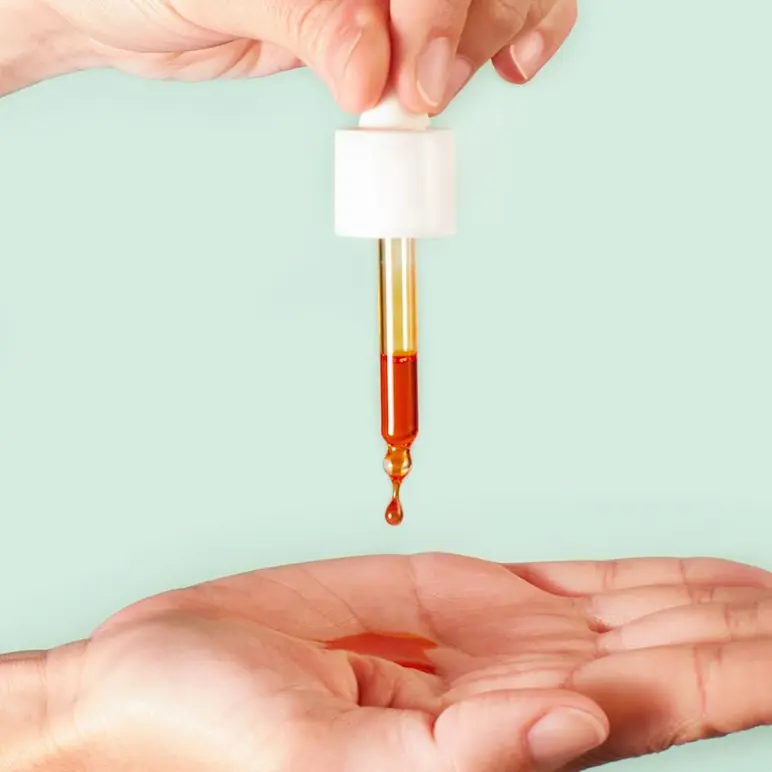
When everything seems to trigger your sensitive skin, it’s best to choose products that are alcohol-free; read our round-up of alcohol-free skincare and choose your faves. One of the brands for sensitive skin that we recommend is Pai. Designed with even the most sensitive complexions in mind, Pai products are certified organic, all-natural, cruelty-free, and free of harsh chemicals. Options include cult bestseller type: embedded-entry-inline id: 3oFobacWNWqdDMCSnSVIOQ and the beautiful type: embedded-entry-inline id: 3JlksMBBhCZObGLKDkh725.
❌ Say ‘No’ to Thick Emollients

If you have acne-prone or sensitive skin, slathering on heavy skincare products or makeup every day can further congest your skin, no matter how many steps you implement into your skincare routine. Comedones can occur when oil and bacteria clog the skin, resulting in either a blackhead or a whitehead. Shea Butter and Coconut Oil, and other rich ingredients found in thick foundations and skincare products, aren’t what your skin needs at this time. When applied to sensitive acne prone skin, these heavy emollients simply sit on the surface, mixing with dead cells, sebum, and acne bacteria to encourage more breakouts.
✅ Try Non-Comedogenic Options
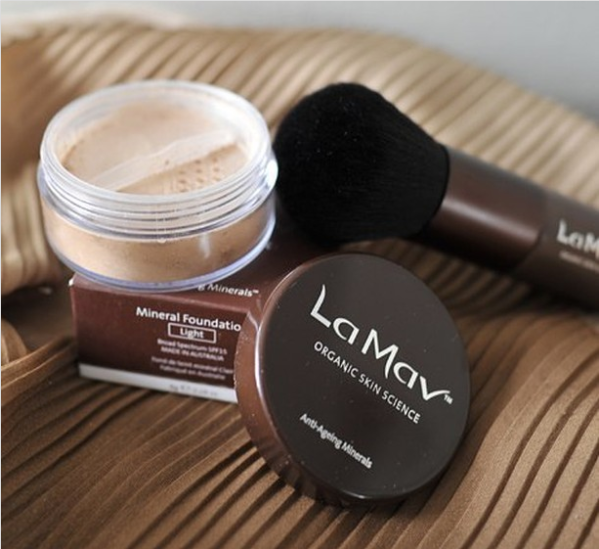
Swap out your heavy products for non-comedogenic options that are lighter and less oily. One of our favourites is type: embedded-entry-inline id: 7MUOtkBd5pYfD2X35ME1zc, which is a concealer, foundation, sunscreen, and powder all in one. La Mav’s lightweight loose powder gives the skin a radiant look by using natural minerals that don’t cause clogged pores or irritated skin. Ideal for sensitive skin, this mineral and organic cosmetic is free of synthetic ingredients that can do more harm than good.
For more alternatives, explore The 10 Best Non-Comedogenic Foundations in 2020.
❌ Bypass Chemical Sunscreens
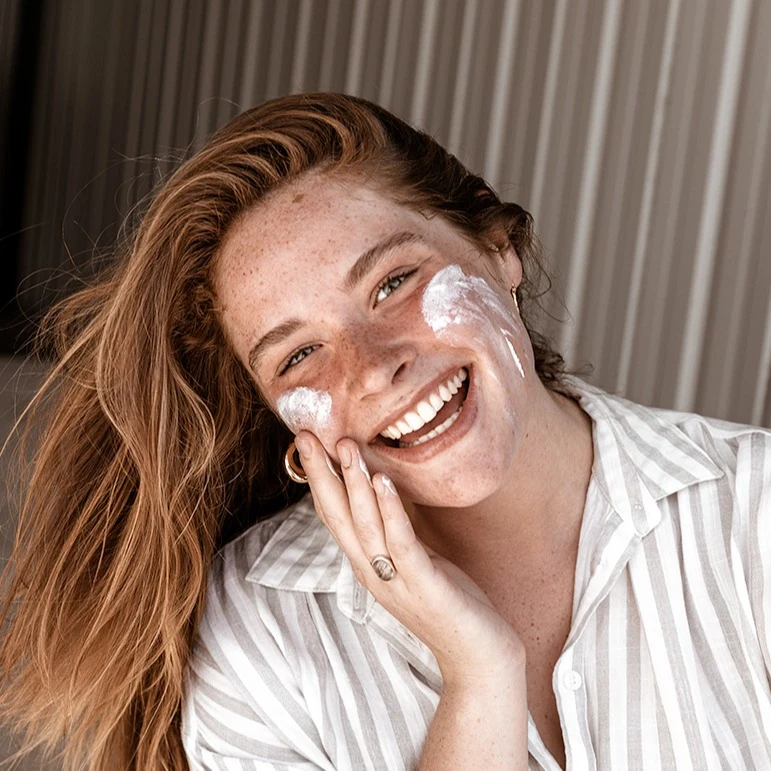
There are two main types of sun protection: chemical sunscreens and physical sunscreens. Chemical sunscreens use ingredients such as Avobenzone and Homosalate to essentially soak up UVA and UVB rays like a sponge. Because several chemical sunscreens are often found in one product, they're more likely to cause sensitivity and irritation than physical sunscreens are. Remember, SPF is only one part of sun protection! Always seek shade, and wear sunnies, a hat and protective clothing. Use sufficient sunscreen for all unprotected areas and reapply sunscreen as directed. Frequent re-application or use in accordance with directions is required for effective sun protection. Always read the label. Prolonged high-risk sun exposure should be avoided.
✅ Try Natural Sunscreen Options
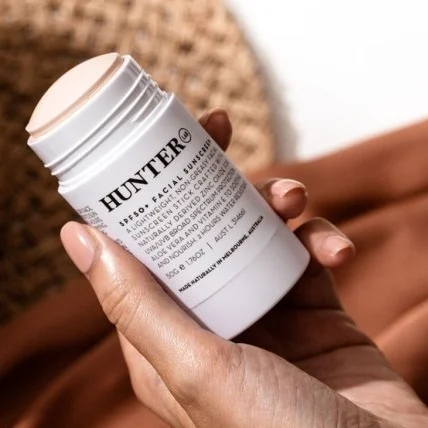
Sun protection comes in many different forms, but Zinc Oxide sunscreens are the most-recommended sunscreen for sensitive skin types. Using a layer of minerals to create a physical barrier between your skin and the sun, broad-spectrum Zinc Oxide products shield your skin from both UVA and UVB rays. Zinc Oxide is often used in natural sunscreen products and, due to its low irritation, is the perfect choice for sensitive skin—especially that of children and babies. A favourite is type: embedded-entry-inline id: 5SbaPlVgbSa1Bm57OSZRrm, featuring Zinc Oxide, Aloe Vera, and Vitamin E. This sunscreen soothes the skin, diminishes redness, and fights off environmental aggressors.
❌ Dodge the Harsh Botanicals
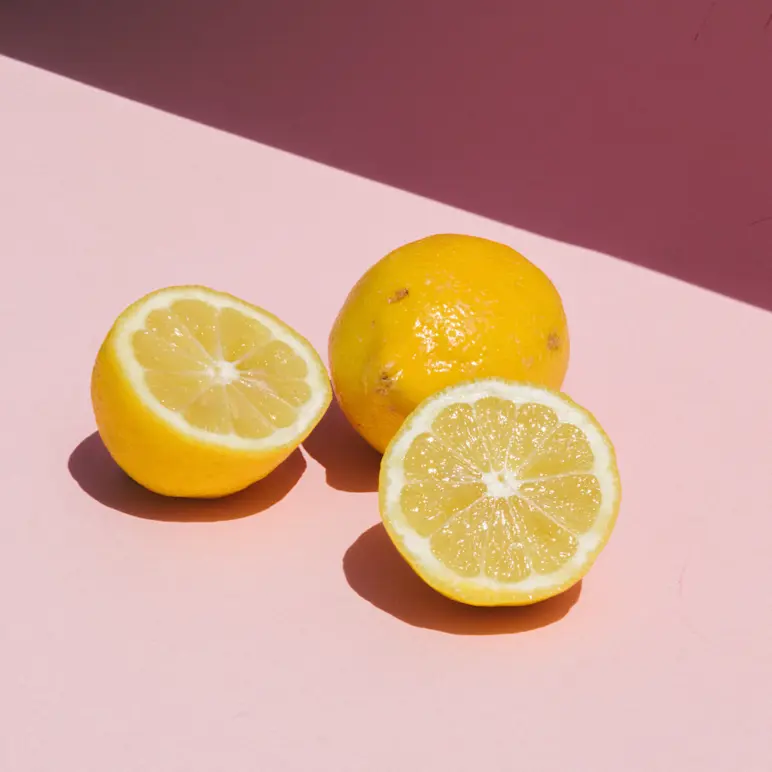
Numerous harsh botanicals can cause irritation, dryness, and flakiness on sensitive acne-prone skin. Ingredients like Menthol or Camphor provide a cooling sensation but can be incredibly drying. Furthermore, citrus fruits like lemon and grapefruit (which smell so good!) are much more acidic than your skin’s natural pH and can cause stinging and burning. Ouch!
✅ Try These Gentle Options
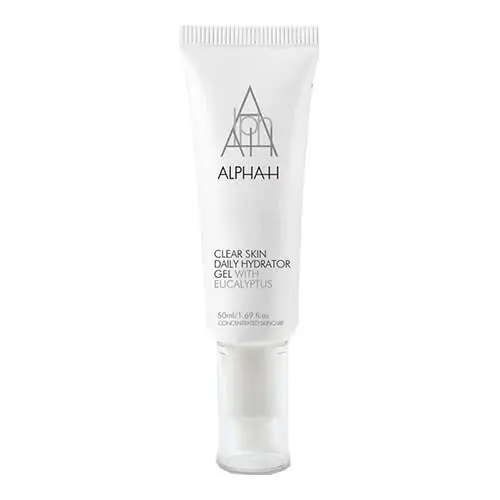
When dealing with sensitive acne prone skin, it’s best to stick to products that are formulated for these issues. type: embedded-entry-inline id: 5gEPTwqt3vhZNrlgYrltcc is a lightweight moisturiser that contains Hyaluronic Acid, Sodium PCA, soothing Aloe Vera, and Cotton Seed Extract to support your skin’s natural barrier function. type: embedded-entry-inline id: 4ci8g5SZp4J3GeBkPPnf8C also can help balance the skin with resurfacing Alpha- and Beta-Hydroxy Acids. This gel moisturiser utilises Liquorice, Tea Tree, Bilberry, and Calendula extracts to naturally calm the skin.
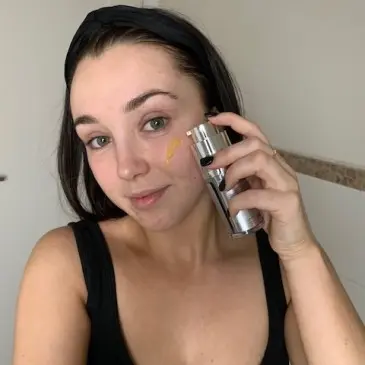
Morning Routine For Dry, Acne Prone Skin
My favourite morning routine for hydrating my dry, acne prone skin.
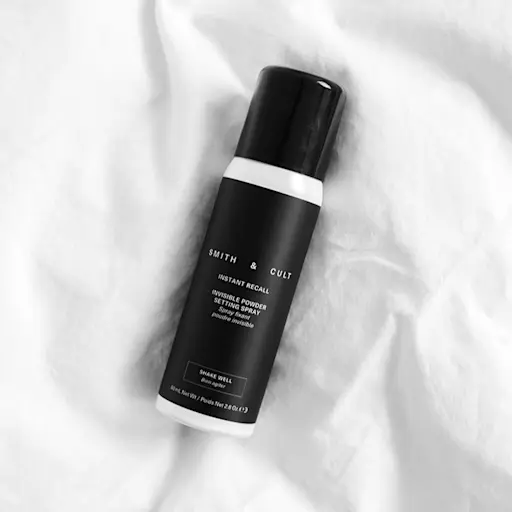
The Best Makeup Products for Acne Sensitive Skin Types
We’ve rounded up the best products formulated specifically to address acne, skin sensitivities, and your complexion type...