Is Scrubbing Safe for My Skin?
What You Need to Know
- Use gentle circular motions and light pressure to remove dead skin without harming the barrier.
- Stop scrubbing if you see redness, stinging, tightness, shininess, flakiness or dehydration.
- Rescue overscrubbed skin with Uriage Bariederm Reconstructive Barrier Cream or Avène Skin Recovery Cream.
- If you keep overexfoliating, swap to chemical exfoliants and start at lower acid concentrations.
Of the two kinds of exfoliation—physical and chemical—physical scrubbing is usually the more satisfying. Skincare products that contain physical exfoliants, such as granules and beads, make an instant difference in your skin.
After using a facial scrub, skin feels and looks noticeably smoother, softer, and more even. If you love the benefits of scrubbing, you may start to wonder if it's completely safe. Put another way, how do you know that scrubbed feel isn't just a sign of overexfoliation?
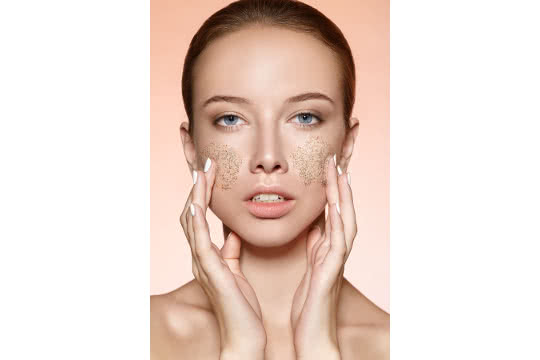
How to Scrub Your Skin Safely
Physical exfoliants work by gently loosening the uppermost dead skin cells. These dead cells form the layers of skin that function as a barrier to external stressors.
External stressors can take many forms. Many of these factors decrease the health and resilience of skin, resulting in dehydration, premature signs of ageing, and possibly infection.
An effective skin barrier is critical to your health. As you age, this barrier is naturally shed more slowly, resulting in skin that looks tired, dull, and unhealthy. This is when physical exfoliation becomes helpful to your skin.
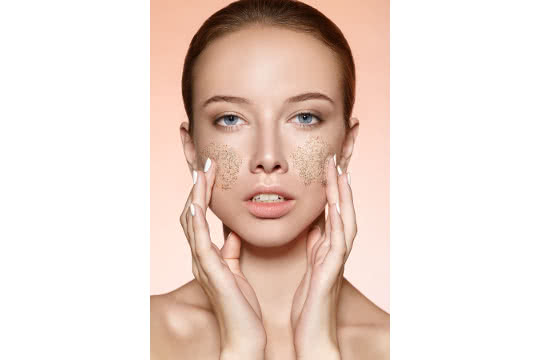
A physical exfoliant is to be rubbed on gently in a circular motion, allowing the exfoliating granules to do the work on their own. When used with appropriate pressure, intensity, and frequency, a scrub should make skin look and feel:
- Smooth
- Soft
- Even
- Comfortable
- Hydrated
Some of our favourite physical exfoliants for regular use include:
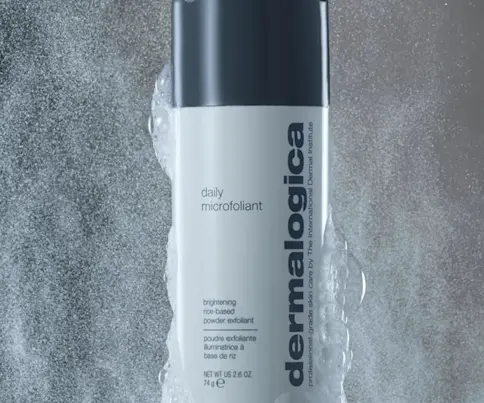
- Dermalogica Skin Prep Scrub with natural corncob meal
- Thalgo Comfort Softness Exfoliator with jojoba wax exfoliating beads
- SkinCeuticals Micro-Exfoliating Scrub with diatomaceous earth microbeads (similar to clay granules)
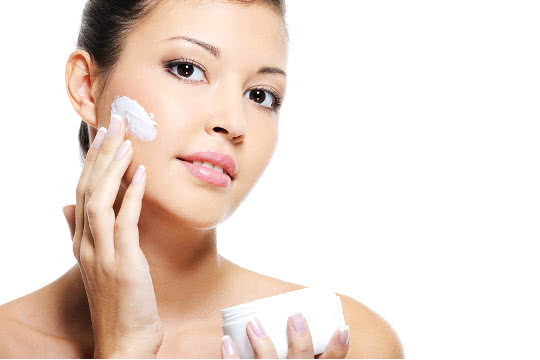
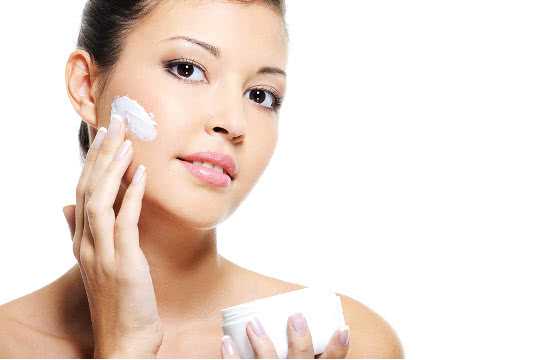
When Facial Scrubbing Goes Too Far
Maintaining a healthy skin barrier is vitally important to the condition of your skin. Overuse of a physical exfoliant can do more harm than good.
If you're overscrubbing your skin, you're likely to develop these symptoms:
- Shininess that's unrelated to oiliness
- A tight, sometimes tingly feeling
- Skin sensitivities and redness
- Burning and stinging sensations, even upon contact with water alone
- Dryness or a general feeling of dehydration
- Flakiness
The symptoms at the top of this list generally appear first. If you continue to scrub harshly, your skin will gradually progress downwards to the more severe side effects.
These symptoms are all provoked by loss of the natural skin barrier. The more persistent you are with continued use of your physical exfoliant, the worse the symptoms will become.
Fortunately, you can rescue overscrubbed skin with appropriate barrier repair creams. To be effective, these products should be partnered with less frequent use of your exfoliant.
Some of our favourite barrier repair products include:
- Uriage Bariederm Reconstructive Barrier Cream
- Avène Skin Recovery Cream
- First Aid Beauty Ultra Repair Cream
If you find yourself consistently tempted to overexfoliate with a physical exfoliant, a chemical exfoliant may be better for you. Chemical-based exfoliating products don't produce the instantly smooth result you may have become attached to.
Instead, exfoliating acids act on a much deeper level of your skin. The effects build up over time, which ensures great long-term results and a safer approach to skincare. Just be sure to start with lower concentrations of acids and work up gradually to stronger products.