Chemical vs Physical Sunscreen: What's the Difference?

I've worked in the Marketing Team at Adore Beauty for almost a year now and love love love skincare! I'm all about vegan products and 5 plus step skincare routines. Recently I've been growing out my coloured hair and focusing on strength/length with hair masks and treatments.
Physical sunscreens with zinc oxide or titanium dioxide sit on the skin and reflect UVA and UVB, making them the safer pick for sensitive skin and children. Chemical sunscreens such as avobenzone or homosalate absorb into the skin for a lighter finish but can increase sensitivity. This article explains how each works and when to choose one.
Key Takeaways From This Article
- Choose zinc oxide or titanium dioxide physical sunscreens for sensitive skin and children.
- Use chemical sunscreens with avobenzone or homosalate when you want a lightweight finish.
- Remove physical sunscreen thoroughly if you have oily or acne-prone skin to avoid breakouts.
- Look for antioxidants in chemical sunscreens but avoid formulas with multiple irritant actives.
- Sunscreen is essential but reapply as directed and avoid prolonged high-risk sun exposure.
Sunscreen is one of the most important steps you can take to maintain the health and beauty of your skin. For anyone under 30, sun protection is the absolute best anti-ageing product you can use. After 30, sunscreen should remain a lifelong habit to slow ageing and prevent sun damage and disease. It's important to remember, sunscreen is only one part of sun protection, prolonged high-risk sun exposure should be avoided and frequent re-application or use in accordance with directions is required for effective sun protection
There’s a major point of difference in how sunscreens and sunblocks work: either by absorbing or reflecting the sun's rays. Confused by 'chemical' and 'physical' sunscreens? You’re not alone. We’ll break down the differences for you so you can decide which is best suited to your needs.
How Does a Physical Sunscreen Protect the Skin?
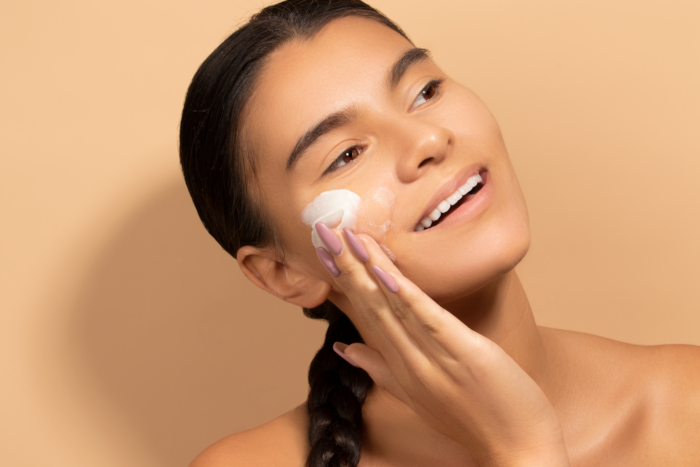
Physical sunscreens protect the skin in exactly the way their name suggests: they create a physical barrier between your skin and the sun. These products don't absorb into the skin but remain on the surface. Physical sunscreens are naturally broad-spectrum, protecting against both UVA and UVB rays.
The two most common physical sunscreen ingredients are titanium dioxide and zinc oxide. Picture that classic lifeguard or beachgoer with a thick white paste on their nose—that’s zinc oxide in its cruder form. Luckily, modern zinc oxide and titanium dioxide are micronized to yield a sheerer formula.
Physical sunscreens are generally used in natural sunscreen products and are ideal for sensitive skin, especially children's skin. Due to the thickness of this type of sunscreen, people with oily and acne-prone need to remove it thoroughly to avoid problems. Otherwise, physical sunscreen is a safe choice.
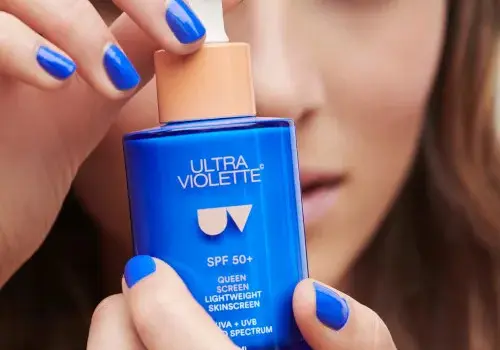
Great brands to check out if you’re interested in a physical sunscreen are Eco Tan, Ultra Violette, and Colorescience.
How Does a Chemical Sunscreen Protect the Skin?
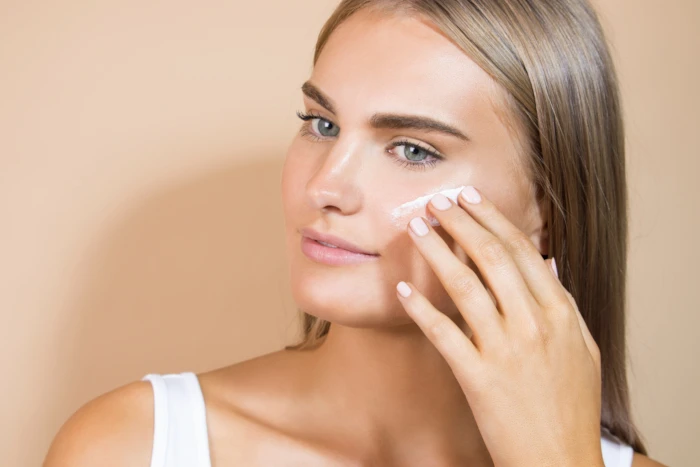
Unlike physical versions, chemical sunscreens actually penetrate the epidermis and dermis. These chemical compounds function within the skin as well as on the surface to absorb the skin’s rays before they can penetrate the dermis and cause damage.
Chemical sunscreens such as avobenzone and homosalate essentially soak up UVA and UVB rays like a sponge. But a single chemical is generally not enough to protect against both types of harmful rays. Compound formulas are more likely to provide effective broad-spectrum protection.
In addition to multiple active ingredients in a chemical sunscreen, you'll typically find antioxidants, such as vitamins C and E. Antioxidants protect the skin from free radicals, as chemical sunscreens have been shown to make skin more prone to free radical damage.
Find out more about keeping your skin protected from harmful UV rays in our Ultimate Guide to Sunscreen.
These chemicals are generally present in lightweight sunscreens and in cosmetics, as they’re less likely to feel heavy and look chalky. You won’t often find a chemical sunscreen in a natural brand, but some organic or green companies do include chemical sunscreens in certain types of products.
It’s important to note that because chemical sunscreens are often present in combinations of three or four in one product, they're more likely to cause sensitivity than physical sunscreens.
Now that you know the difference between chemical and physical sunscreens, you’re all set to choose the best one for you.
Discover some of the best sunscreens for babies and young children in our guide Best Sunscreen for Babies, Toddlers, and Kids. If you're looking for a natural sunscreen, be sure to check out our guide Best Natural Sunscreens for Summer