Is Spicule Skincare Really “Microneedling in a Bottle”?

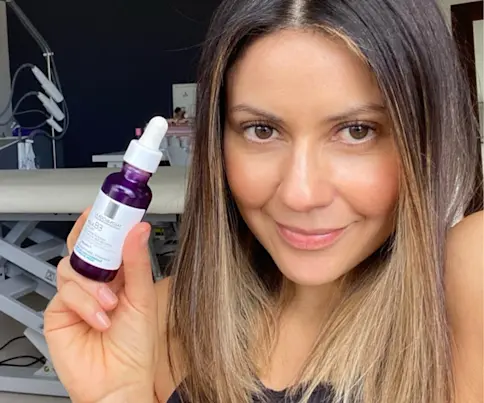
Yads Cauchi is a Dermal Clinician, Nutritionist (BHSc, MSc) and Beauty Journalist. She's also a mum of four. Evidence based skin health and nutrition are her thing and she works from her own skin clinic based in Canberra - you can find her there, or on Instagram and TikTok @yadscauchiskin.
Spicule serums use microscopic freshwater-sponge silica spikes to create superficial microchannels that boost ingredient absorption and mild exfoliation, but they do not trigger the deep collagen response of professional microneedling. This piece compares mechanisms, explains safe use and intensity levels, and points to starter products like VT Cosmetics Reedle Shot 50.
Top Insights From This Guide
- Choose spicules for mild exfoliation and better delivery, not collagen remodelling.
- Begin with VT Cosmetics Reedle Shot 50; progress through 100, 300, 700 and 1000 as tolerated.
- Use at night only, 1-2 times a week, prioritise barrier support and avoid retinoids or acids.
- Avoid if you have rosacea, eczema, impaired barrier, very reactive skin or post-procedure.
- Expect surface smoothing and brighter skin, not the collagen boost of clinic microneedling.
Are spicules as good as microneedling? Skin expert Yads Cauchi gives us the 411...
The spicule skincare trend claims to be the same as microneedling... without the needles.
But is that actually possible? As a dermal clinician, we need to unpack.
You see, lately I’ve been asked more and more about spicules in my clinic, which often indicates that a trend is trickling into the mainstream. So if you haven’t heard of spicule skincare let me explain…
What is spicule skincare?
What is a spicule in skincare?
Spicules in skincare (which originated in Korea) are tiny needle-like structures, usually derived from freshwater sponge silica and they temporarily penetrate the upper layers of the skin when you apply.
Meaning, a spicule based serum can actually kind of hurt and feel prickly when you layer it onto the skin.
Do spicules really work?
So essentially, the tiny spicules help deliver actives into the skin, and when you massage a spicule serum into the skin it creates superficial microchannels, which can increase absorption, stimulate renewal and improve texture.
And yes, there is some truth behind the concept.\But are they actually "microneedling"?
No.
Are spicules as good as microneedling?
You see, by creating these very superficial pathways through the outermost layer of the skin (the stratum corneum), spicules may help certain skincare ingredients penetrate a little more effectively and provide a super mild exfoliation that can encourage the skin's natural renewal process. But that’s where the marketing starts to get a little carried away, because those tiny channels are incredibly shallow.
Spicule skincare doesn’t reach the depth of professional microneedling, where sterile needles are used to create thousands of precisely controlled micro-injuries within the skin. And this is important because the depth of those injuries is what triggers the wound-healing cascade responsible for producing new collagen and elastin… and spicules simply don't reach that level.
So while they may provide gentle exfoliation, enhance the delivery of active ingredients, and leave the skin looking a little smoother or brighter, they're not recreating the response that makes microneedling such an effective treatment for acne scarring, wrinkles and collagen stimulation. Although, that doesn’t mean they don’t work! They can help, but… different mechanisms, different results.
For more on the latest innovations in beauty, listen to this episode of Beauty IQ Expert below:
Spicule treatment vs microneedling
Think of it this way: spicules are operating in the very top layer of the skin, whereas microneedling works much deeper.
Which is why as a dermal clinician, I wouldn't necessarily call spicule skincare "microneedling in a bottle". But because spicules are a delivery based technology, they will help with mild mechanical exfoliation, improved penetration of some ingredients, increased epidermal turnover and your skin will feel smoother, but you need to start slowly!
How to use spicule skincare and Best spicule skincare products
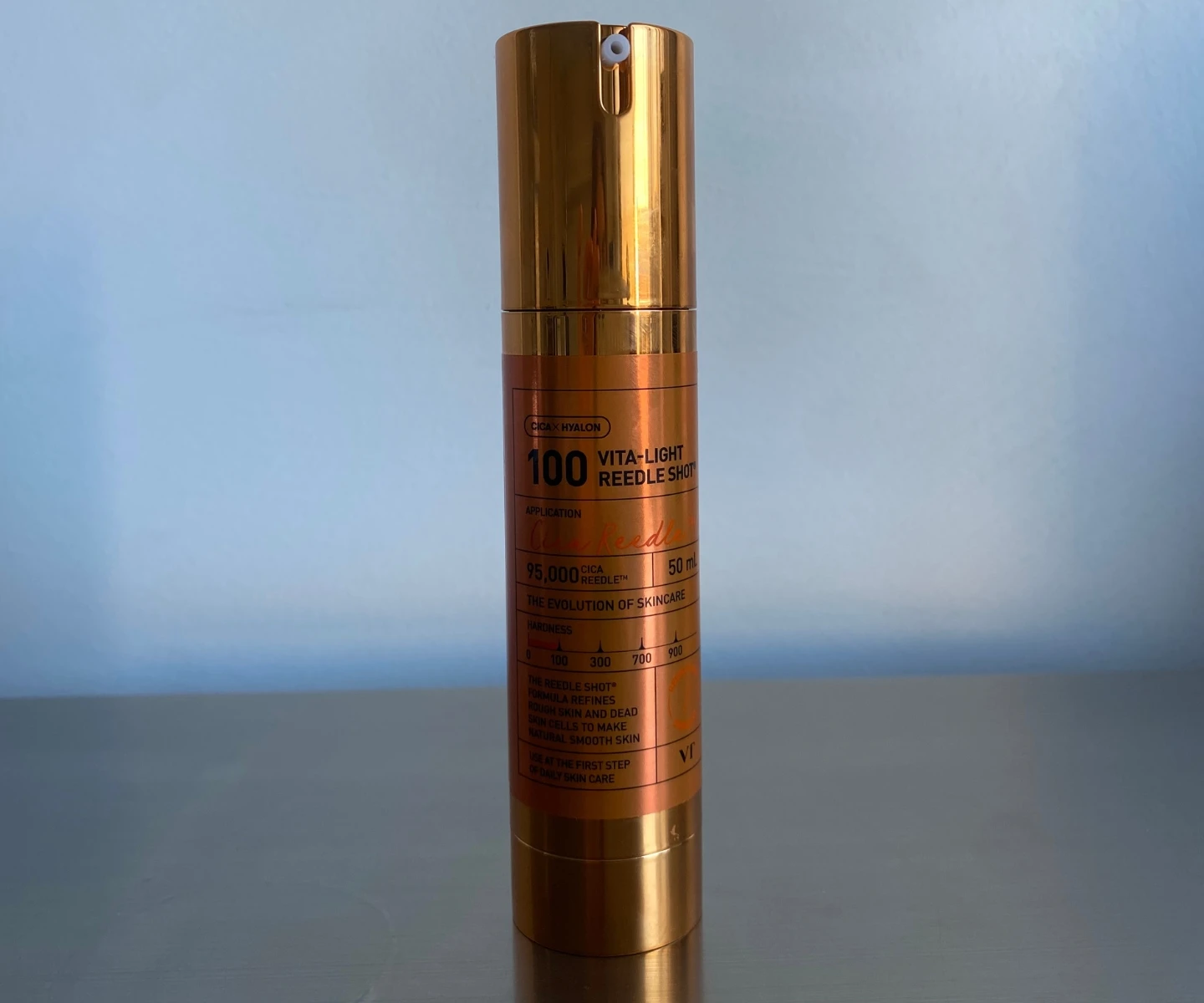
The thing about spicule skincare is it has different strengths and if you’re a newbie I would start with a low level product like the VT Cosmetics Reedle Shot 50 then work your way up.
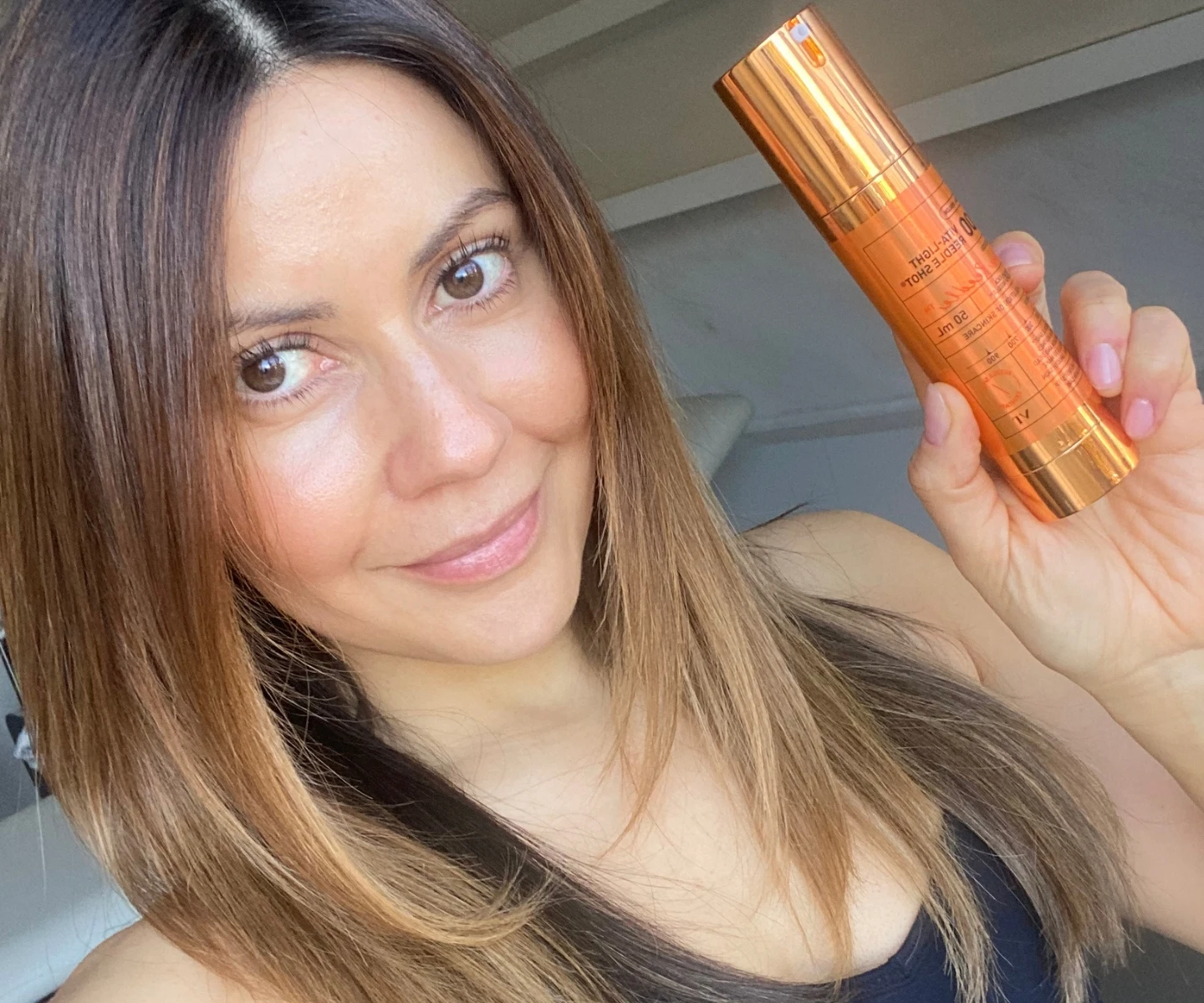
You’ll notice intensities will go up in numbers eg. 50, 100, 300, 700, 1000 etc. Beginners or sensitive skin types should stick to 50-300. 700+ is for stronger skins or those used to in-clinic procedures. I also have tried and really like the VT Cosmetics Vita-Light Reedle Shot 100, which is a spicule based product that contains vitamin C for brightening.
If you want to try spicule skincare, start at night only. 1-2 times a week, work your way up and focus on barrier support. Do not combine with other actives like retinoids or exfoliating acids.
Who shouldn’t use them:
And they’re not for everyone. I would tread carefully with these serums if you have…
- Rosacea
- Eczema
- Impaired skin barrier
- Highly reactive skin; and
- Immediately after procedures
Because they will irritate your skin further.
My verdict as a dermal clinician
I think spicule serums are an interesting new technology, and can be incorporated into a routine to help improve skin texture and ingredient delivery into the skin. However, I’d advise people to think of these products as more of an interesting delivery system that can help enhance the penetration of active ingredients, rather than a replacement for professional treatments!
Want more of Yad's expert tips, advice and top skincare recommendations? Read these next: