Why Does My Foundation Turn Darker on My Skin?

I've been in the beauty industry for 4+ years now, although my background is originally in fine arts. In between researching and publishing our guides, I’m usually snacking and making spontaneous (and somewhat chaotic) choices about what to do with my hair.
When your foundation oxidises or reacts with sebum it can go visibly darker or orange by midday, most often due to oxidation, excess oil or simply picking the wrong shade. Read on to learn how to check colour in natural light, test samples in real conditions and use primers, blotting and powder to stop darkening.
Top Insights From This Guide
- Check foundation in natural light before buying to spot orange undertones
- Test a sample for a day in your usual conditions to reveal oxidation
- Use an oil control primer, blotting papers and pressed powder for oily skin
- Choose formulas labelled for oily skin to prevent sliding and clumping
When your foundation oxidises or reacts with sebum it can go visibly darker or orange by midday, most often due to oxidation, excess oil or simply picking the wrong shade. Read on to learn how to check colour in natural light, test samples in real conditions and use primers, blotting and powder to stop darkening.
Top Insights From This Guide
- Check foundation in natural light before buying to spot orange undertones
- Test a sample for a day in your usual conditions to reveal oxidation
- Use an oil control primer, blotting papers and pressed powder for oily skin
- Choose formulas labelled for oily skin to prevent sliding and clumping
When your foundation oxidises or reacts with sebum it can go visibly darker or orange by midday, most often due to oxidation, excess oil or simply picking the wrong shade. Read on to learn how to check colour in natural light, test samples in real conditions and use primers, blotting and powder to stop darkening.
Top Insights From This Guide
- Check foundation in natural light before buying to spot orange undertones
- Test a sample for a day in your usual conditions to reveal oxidation
- Use an oil control primer, blotting papers and pressed powder for oily skin
- Choose formulas labelled for oily skin to prevent sliding and clumping
You thought you picked the perfect foundation colour. So why is it turning darker—or worse still, orange—on your skin?
The search for the perfect foundation can take months and hundreds of dollars. That formula that looked great in the store might not stand up to summer heat. Never mind the endless drama of trying to find the right colour—particularly as your skin changes hue throughout the year.
So if an otherwise perfect foundation turns orange on your skin as the day goes on, you might be tempted to throw the bottle out the window and give up entirely. There are a couple of reasons your makeup might turn orange, and understanding each can help you plan what to do next.
The Foundation Was the Wrong Colour to Begin With
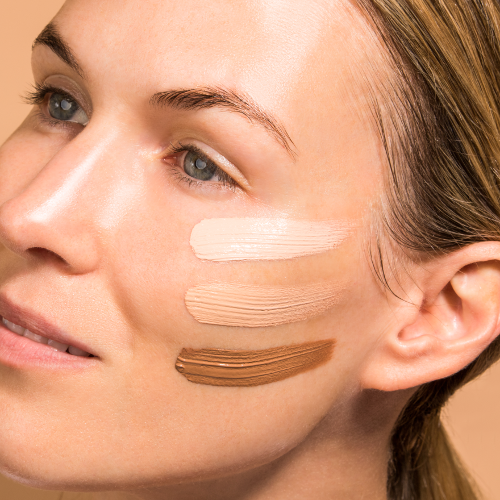
It's not enough to hold a bottle of foundation up to your face and hope for the best. And even if a colour seems to disappear into your skin at the makeup counter, it might look quite garish in natural light.
Sometimes the problem is not that the foundation is changing colour. The product may have been the wrong colour in the first place, creating the illusion of a colour change in different light. Always check your foundation in natural light, since bright sun often reveals orange undertones.
Your Skin Is Very Oily
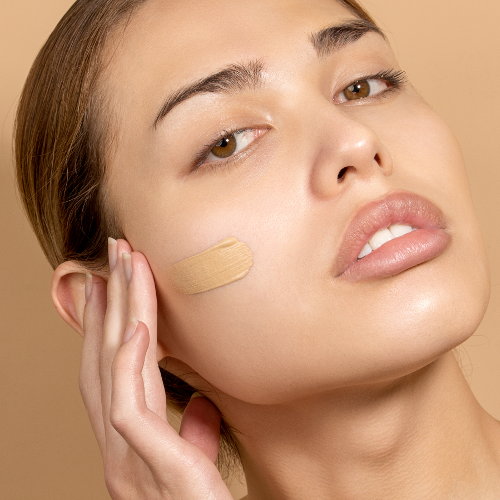
If your complexion is oily, the foundation may slide around on your face, creating odd clumps of dark colour next to the lighter colour of your natural skin. Sometimes, sebum actually changes the chemical formula of the foundation, making it look orange or even grey.
To prevent this not-so-pretty scenario, invest in a foundation made specifically for oily skin. Use blotting papers throughout the day, and sweep pressed powder over oily areas for a quick touch-up.
The right primer can also help your foundation stick to your skin and may even combat excess oil. Hylamide Matte 12 prepares your complexion for a smooth foundation application and offers a satiny finish.
The Foundation Is Oxidising on Your Skin
The most common reason for foundation turning orange is that the makeup oxidises on your skin. This chemical reaction occurs when the foundation's pH shifts slightly in response to changes in weather, humidity, or even the pH of your skin.
There's no way to tell which foundation will oxidise, so it's wise to test a sample for a day or two before investing in a pricey new formula. Be sure to wear the product in the same circumstances you would in daily life. Foundation might look normal in a controlled indoor climate but begin to oxidise when you're out in the hot sun.