Why Is Everyone Suddenly Talking About Milky Toners? Here’s What You Should Know

Dr Yalda Jamali is a UK-trained cosmetic doctor with more than 10 years of experience in aesthetic medicine. She works clinically at Epios Cosmetic Clinic in Paddington, Sydney and spends much of her time talking about skin both in the clinic and online. Passionate about evidence-based skincare and patient education, she loves translating complex science into practical, easy to understand advice. Find her on Instagram @dr.yalda
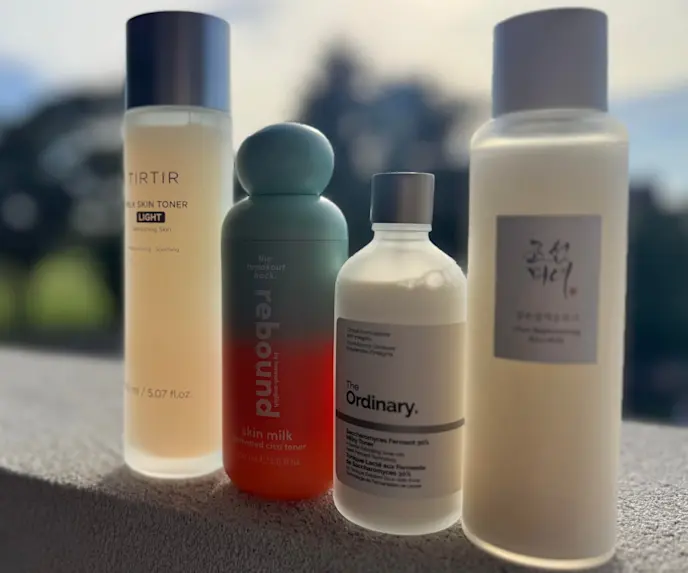
If you consume skincare content on social media, you would have probably noticed people talking and using milky toners. These are usually poured into the palms of hands and pressed into the skin.
I think over the years toners have come in and out of routines frequently! Recently toners have gained more popularity, first by acid based toners (AHAs and BHAs) for gentle exfoliation and now milky toners for those who would ordinarily skip toners due to irritation. So there is now truly a toner out there for all skin types.
But what’s behind the current milky toner popularity? And does your skin actually benefit, or have we just added yet another step to our routine?
What Does a Milk Toner Do?
Milky toners generally focus on hydration and softness, with a light, lotion-like texture that sits somewhere between a watery toner and a thin serum. Important to note that “Milky” refers to their appearance, rather than necessarily containing milk.
Their popularity makes sense when you look at the wider skincare conversation. Korean beauty has helped familiarise us with hydrating toners and essences, and the appeal of dewy, “glass skin” has made those light, moisturising layers particularly attractive. Products such as Hailey Bieber’s Rhode Glazing Milk have also brought the format to a wider audience.
My take is that they fit neatly into our growing interest in looking after the skin barrier. After years of enthusiasm for exfoliating acids and strong actives, there’s something appealing about a product focused on making skin feel comfortable. The experience is also important here! The creamy texture and immediate sheen also lend themselves very well to social media. You can see the finish straight away, even though that of course doesn’t tell you what a product will do long term.
Is a Milk Toner Good for Your Face?
So, are they actually beneficial? They can be, provided the formula suits your skin and adds something your routine is missing.
What does a milk toner do for dry skin?
Many contain humectants, such as glycerin and hyaluronic acid, which attract water and help hydrate the outer layers of skin. Others include emollients to soften and smooth, or ingredients such as ceramides to support the skin barrier.
Hydrated skin can look temporarily plumper, with fine dehydration lines appearing less noticeable. That’s a useful benefit, but it doesn’t mean a milky toner is essential. You may already get those ingredients from your serum or moisturiser. There’s no reason to add another product simply because the texture is having a moment.
Expert Take On Milky Toner Benefits
I’d consider one if you enjoy lightweight layers or want some extra hydration underneath your moisturiser. Dry skin may appreciate that additional step, while oily skin can also benefit from hydration.
Is milk toner good for oily skin?
Having excess oil doesn’t necessarily mean your skin has all the water it needs. For oily prone skin that may not tolerate a standard moisturiser well, this can also act as a great replacement.
My own skin is acne-prone and sensitive, so I understand the appeal of moisture without a heavy finish. However, “milky” isn’t a guarantee that something won’t cause irritation or breakouts. Look at the full formula, introduce it gradually and pay attention to how your skin responds. It's also worth checking whether the toner exfoliates. Some do, despite their creamy appearance. If you already use exfoliating products, adding another could be unnecessary.
How to Use Milky Toner
Do you use milky toner before or after moisturiser?
Using one is straightforward. Apply after cleansing, before thicker serums and moisturiser. Shake the bottle well before applying. A small amount spread gently over the skin with clean hands is usually enough.
Pro tip: If you’re after ultimate barrier support, I prefer using hands to dab the product in over cotton pads. Don’t apply multiple layers as this can lead to pilling.
Follow with moisturiser as needed and sunscreen in the morning. In the evening, if you use a retinoid, allow your skin to dry between the milky toner step and the retinoid. Retinoid should always be applied on dry skin.
If you’re interested in trying a milky toner, I trialled some that are available at Adore Beauty, and here are my thoughts…
Best Milky Toners
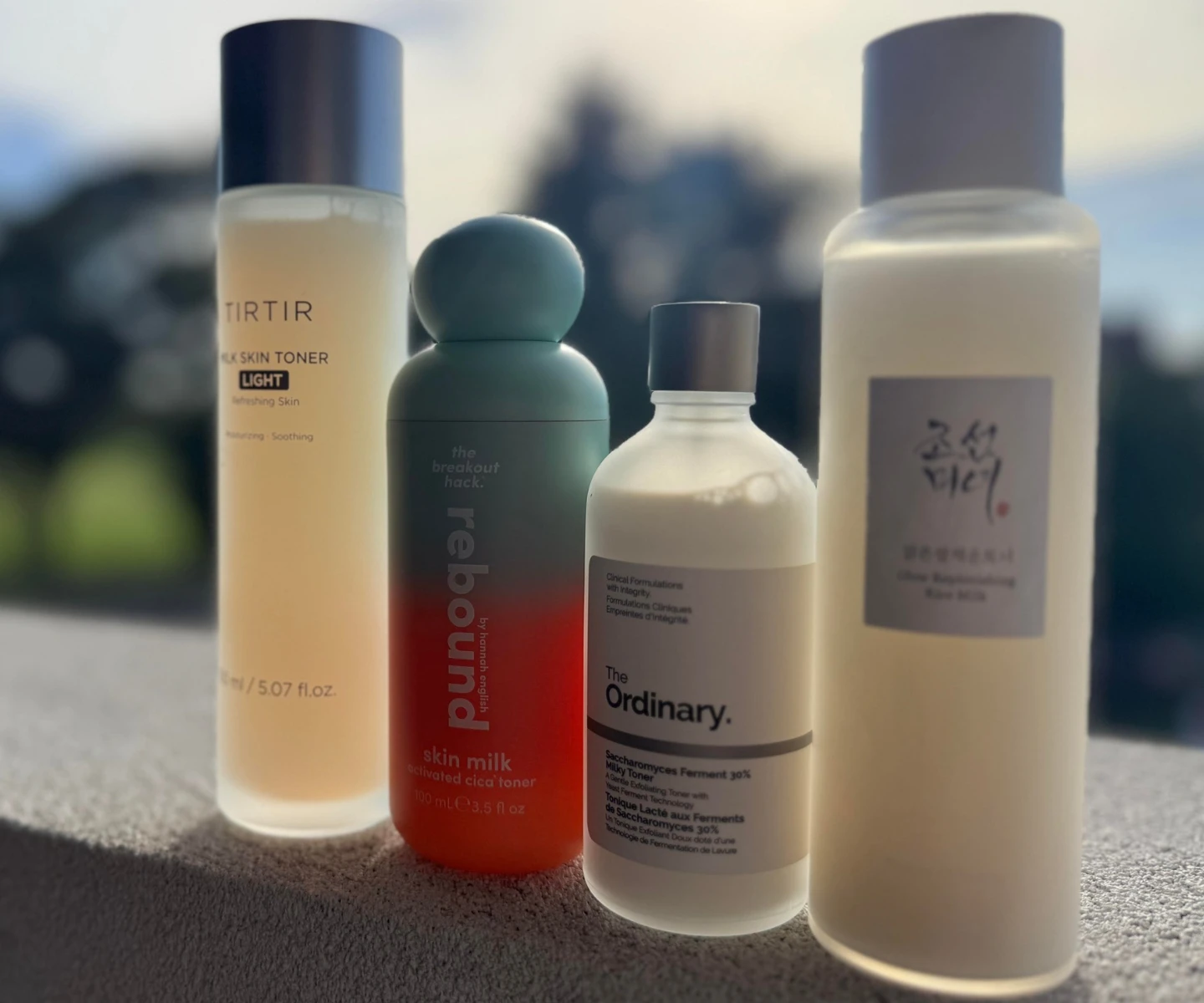
The Breakout Hack rebound skin milk activated cica toner, $29.95
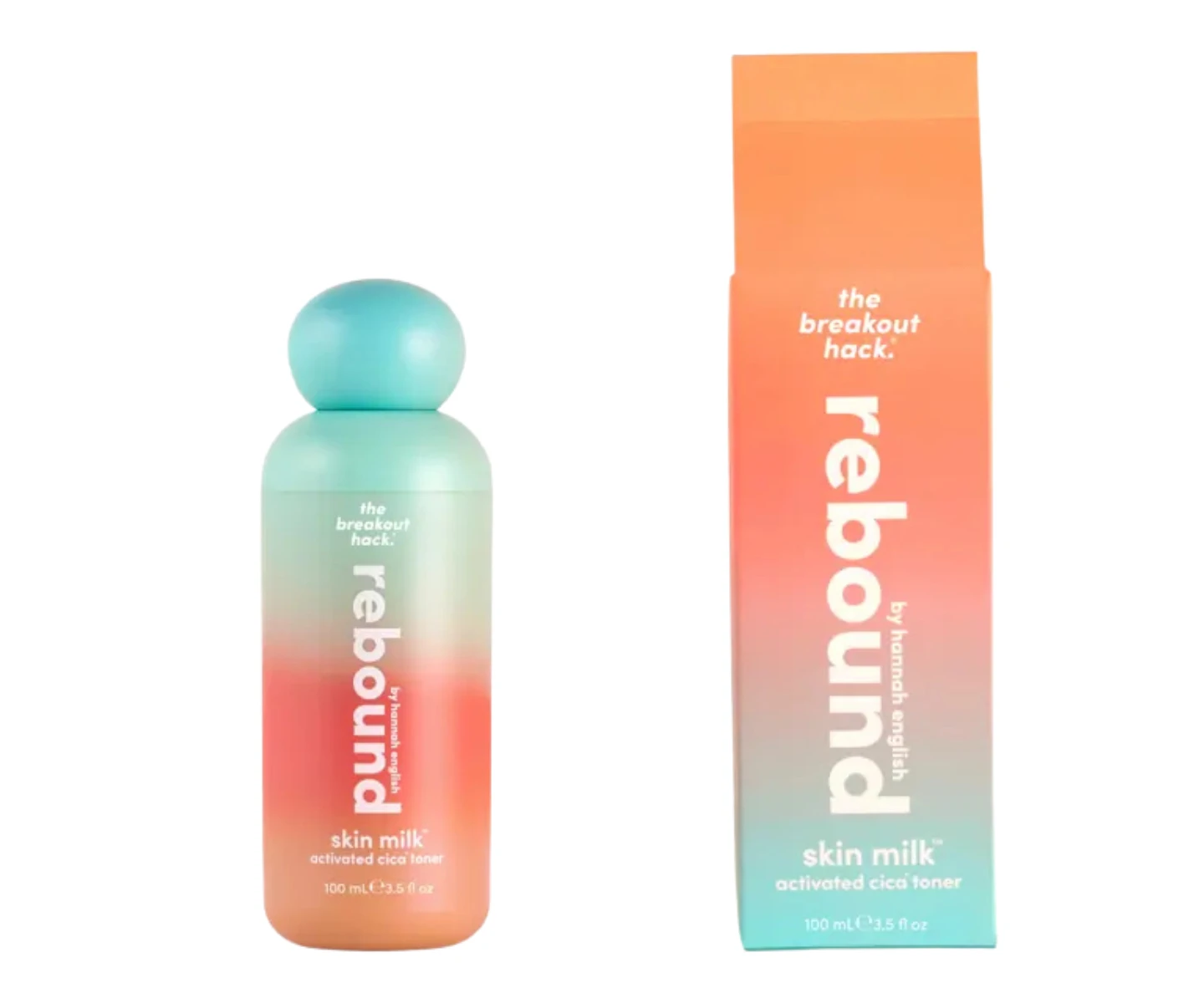
Combines panthenol and ceramides with soothing ingredients including madecassoside and bisabolol. It’s one to consider when hydration and skin comfort are your priorities. Most skin types will tolerate this really well. This product also layers well and doesn't cause pilling!
The Breakout Hack rebound skin milk activated cica toner reviews from AB customers:
"I have dry skin and am always looking for ways to add extra hydration, this milky serum is great for that!! "
"Absolutely love this product, as an older lady with extremely dry skin it is sooo good! Didn't want to run out so quickly bought another bottle! "
TIRTIR Milk Skin Toner Light, $53
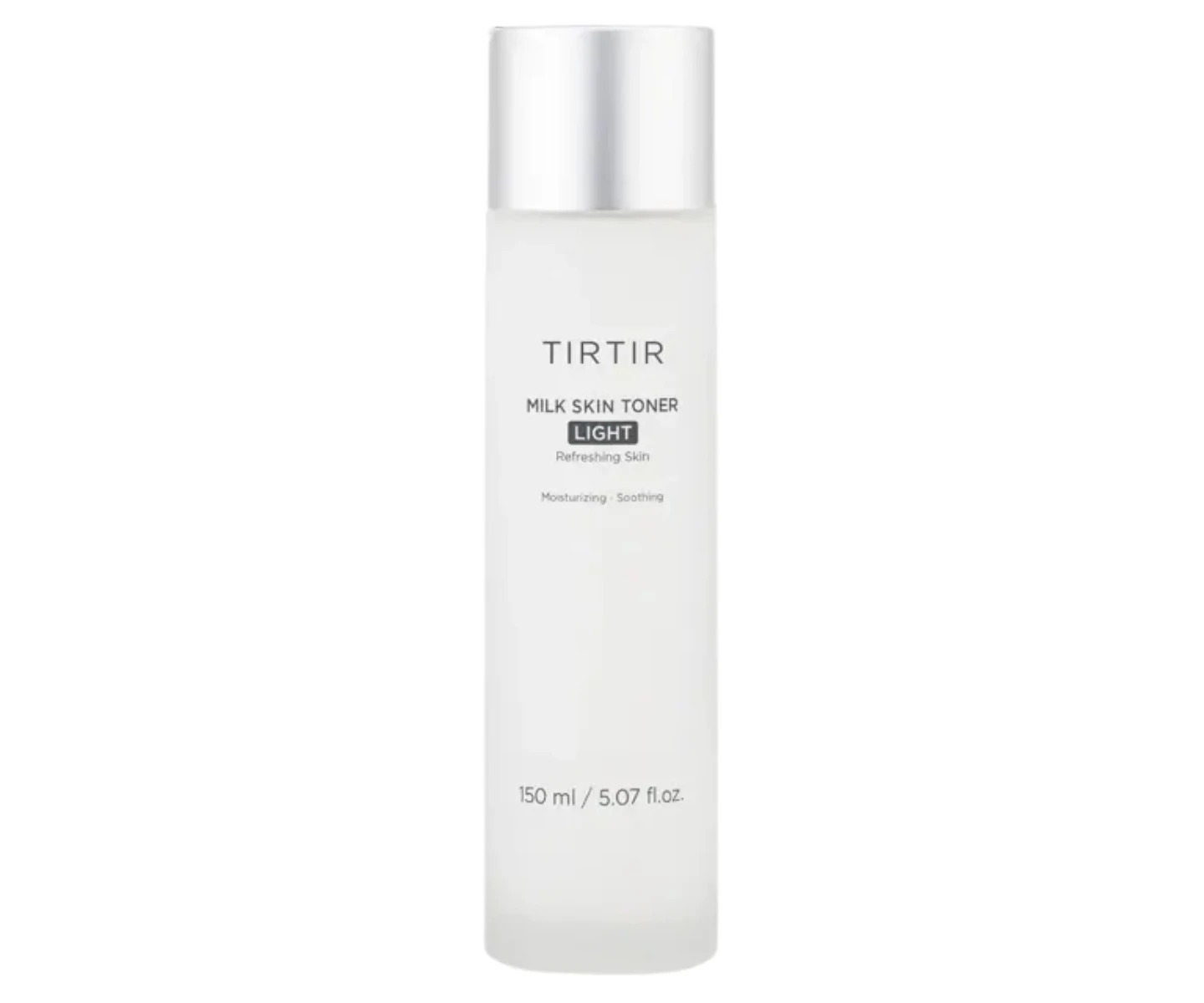
Has 4% niacinamide alongside panthenol and allantoin. I like this one in particular for oily and combination skin and its probably my personal favourite from the bunch! The formulation is super light.
TIRTIR Milk Skin Toner Light reviews from AB customers:
"I'm just about to repurchase my second bottle of this. It's brightening and calming and works so well under make up."
"My skin always feels refreshed and balanced after applying this toner. It helps reduce excess oil throughout the day while leaving a comfortable, hydrated finish that never feels sticky."
The Ordinary Saccharomyces Ferment 30% Milky Toner, $24
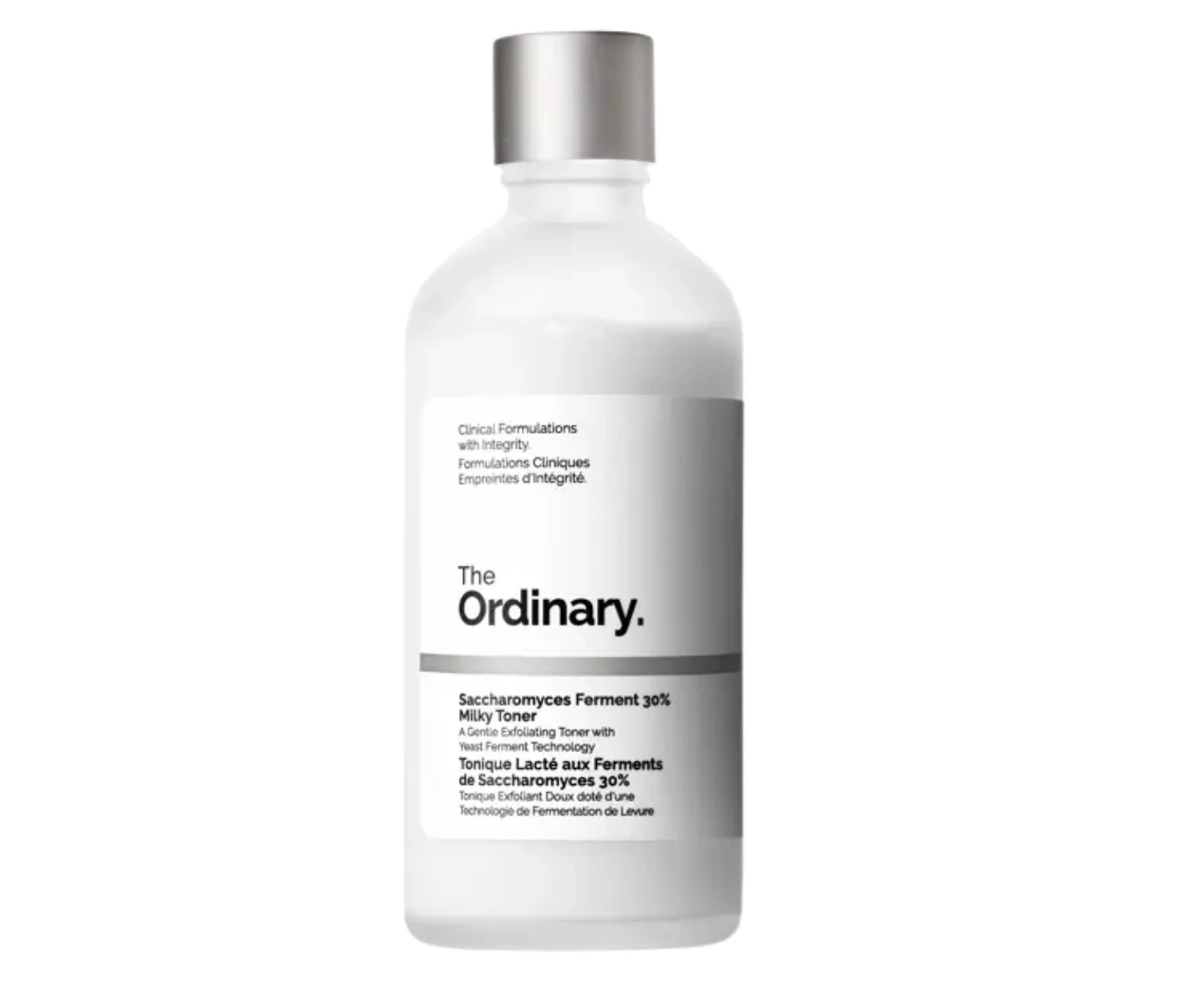
Pairs squalane with a yeast-derived ferment containing fermented N-acetylglucosamine, used for surface exfoliation. This is one to consider for hydration and uneven texture. I would just make sure you don't have too many exfoliating ingredients within your routine before you introduce this one. Over-exfoliation will lead to irritation and compromised barrier!
The Ordinary Saccharomyces Ferment 30% Milky Toner reviews from AB customers:
"What immediately stood out was how this milky toner softened my skin without leaving any residue. My face feels calmer after each use, almost cushioned, and redness looks less noticeable by morning."
"Hydrating and milky toner. As someone with oily skin, some days, I just wear this and my skin looks luminous and hydrated. It is not sticky and is quick absorbing."
BEAUTY OF JOSEON Glow Replenishing Rice Milk, $39
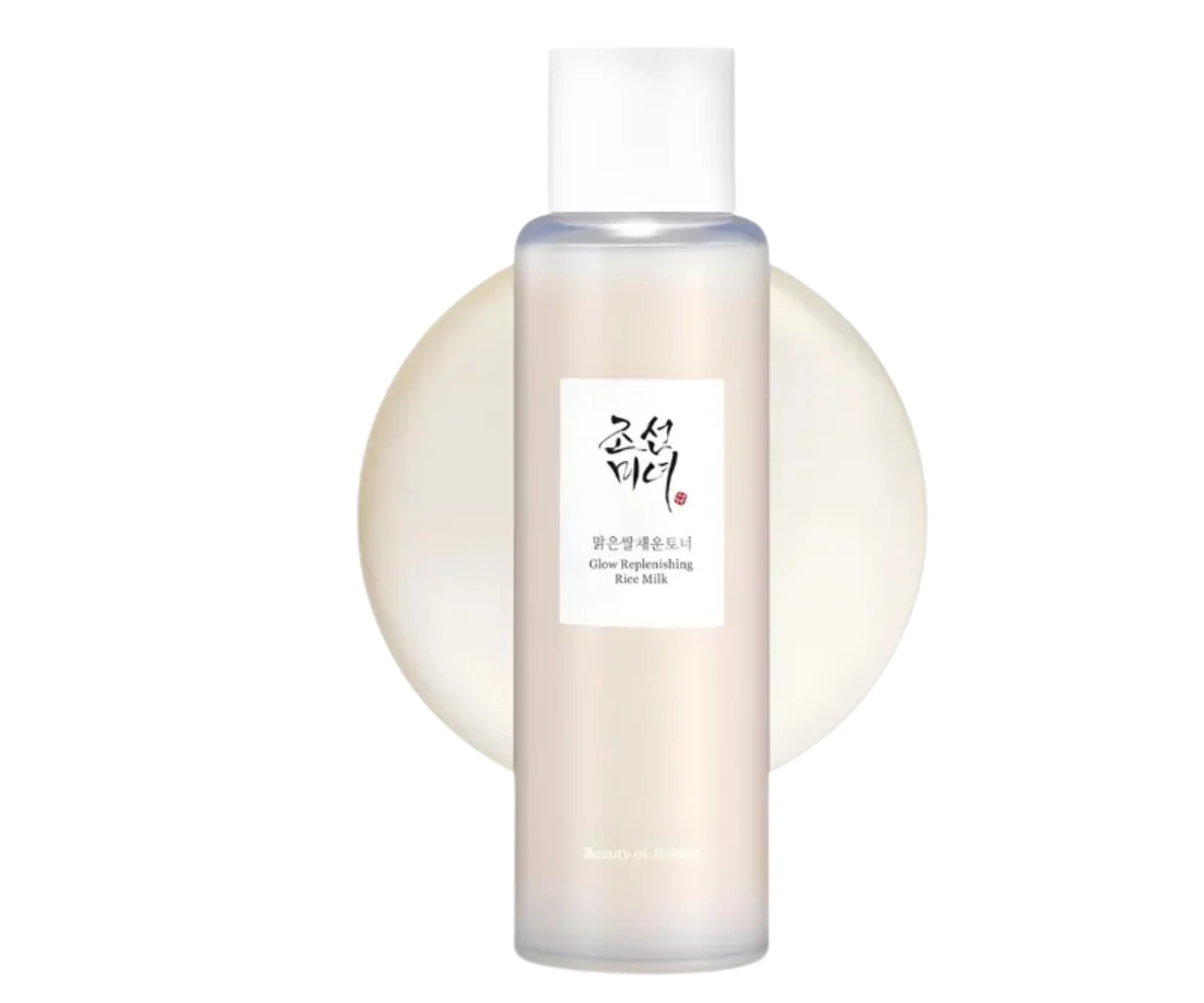
Contains rice extract and rice amino acids, with a separate powder layer containing kaolin to help absorb excess sebum. If you are trying to avoid shine, then I would recommend this one.
BEAUTY OF JOSEON Glow Replenishing Rice Milk reviews from AB customers:
"It does what it says! Glow, glow glow! I used this in the morning and that glass skin effect with minimal make up during the day."
"I've been asked by multiple friends what my secret was after using this product, which is probably the best review a product can get. It gives that healthy, hydrated glow without looking greasy or feeling heavy, and my skin seems so much healthier. It layers really nicely with the rest of my skincare and I cant think of any criticism. Some "glow" products are just marketing, but this one shows up and does the work."
Final Thoughts…
For me, the question is whether your skin feels better with that extra layer. If it does, a milky toner can earn its place. If your routine already keeps your skin hydrated and comfortable, you can happily leave it there.
Read more of Dr Yalda's expert recommendations and reviews below: